
Performance marketing represents a results-driven approach where advertisers pay only for measurable outcomes like clicks, leads, or sales. Unlike traditional marketing that charges for exposure, performance marketing ties spending directly to business results. For anyone looking to learn performance marketing, understanding this fundamental shift is essential. This discipline combines data analytics, digital channels, and optimization techniques to maximize return on investment. When you learn performance marketing, you gain skills in campaign tracking, conversion optimization, and multi-channel attribution that translate into tangible business growth. Strong performance marketing capabilities enable businesses to scale efficiently, test strategies rapidly, and allocate budgets based on proven results rather than assumptions. The field encompasses paid search, affiliate marketing, social media advertising, display campaigns, and email marketing—all measured through precise metrics. This guide explores how performance marketing works, what skills you need to master, and how to build campaigns that deliver consistent, measurable results. From foundational concepts to advanced tactics, we'll cover everything beginners and intermediate marketers need to know to excel in this dynamic, data-driven field.
1. What Is?

Performance marketing is a comprehensive digital strategy where advertisers pay marketing partners only after specific actions occur—such as clicks, conversions, or sales. This accountability-focused model minimizes risk and maximizes efficiency by ensuring every dollar spent connects to a measurable outcome. Unlike brand awareness campaigns that rely on impressions, performance marketing demands trackable results at every stage. For marketers entering this field, the appeal lies in transparency: you can see exactly what works, what doesn't, and where to invest next based on real data rather than guesswork.
The power of performance marketing lies in its ability to optimize continuously based on real-time data. Marketers can test multiple approaches simultaneously, identify winning strategies quickly, and scale successful campaigns while cutting underperformers. This agility creates competitive advantages in fast-moving digital markets. Companies from startups to enterprises rely on performance marketing to acquire customers cost-effectively and predictably. Platforms like Google Ads, Facebook Ads, and affiliate networks provide the infrastructure, while skilled marketers provide the strategy, creativity, and analytical rigor that transform ad spend into profitable growth and sustainable customer acquisition.
However, success in performance marketing requires more than launching campaigns and watching dashboards. It demands deep understanding of audience behavior, conversion psychology, and technical tracking implementation. Effective performance marketers master skills including keyword research, ad copywriting, landing page optimization, A/B testing, and attribution modeling. Organizations must view performance marketing as both art and science—combining creative messaging with rigorous data analysis. BrandStory helps businesses build performance marketing capabilities through strategic guidance and execution, ensuring campaigns deliver measurable results while maintaining brand integrity and customer trust across all digital touchpoints.
Why Now

Learning performance marketing opens career opportunities in one of the fastest-growing areas of digital business. As companies shift budgets from traditional advertising to accountable digital channels, demand for skilled performance marketers continues rising. These professionals command competitive salaries because they directly impact revenue and profitability. Whether you're a marketing generalist looking to specialize or a business owner wanting to manage your own campaigns, performance marketing skills provide immediate, practical value. The ability to generate measurable results makes performance marketers indispensable across industries from e-commerce to SaaS to local services.
Additionally, performance marketing skills are highly transferable and future-proof. The core principles—data analysis, conversion optimization, testing methodology, and ROI calculation—apply across platforms and evolve with technology rather than becoming obsolete. As new channels emerge, performance marketers adapt their frameworks to capitalize on fresh opportunities. This adaptability creates long-term career security in an ever-changing digital landscape. Performance marketing expertise also empowers entrepreneurship, giving you the skills to launch and grow your own ventures profitably. The combination of creative and analytical thinking required develops versatile problem-solving abilities valuable in any business context.
Nevertheless, learning performance marketing effectively requires structured education and hands-on practice. Theory alone won't develop the intuition needed to optimize campaigns successfully. Aspiring performance marketers should seek courses that combine fundamental concepts with real campaign experience, providing opportunities to manage budgets, analyze data, and make optimization decisions. Understanding platform mechanics, tracking implementation, and conversion funnel psychology comes from doing, not just reading. Mentorship from experienced practitioners accelerates learning by helping you avoid common mistakes and recognize patterns faster. Continuous learning remains essential as platforms update features and consumer behavior evolves constantly.
Core Skills to Master in Performance Marketing
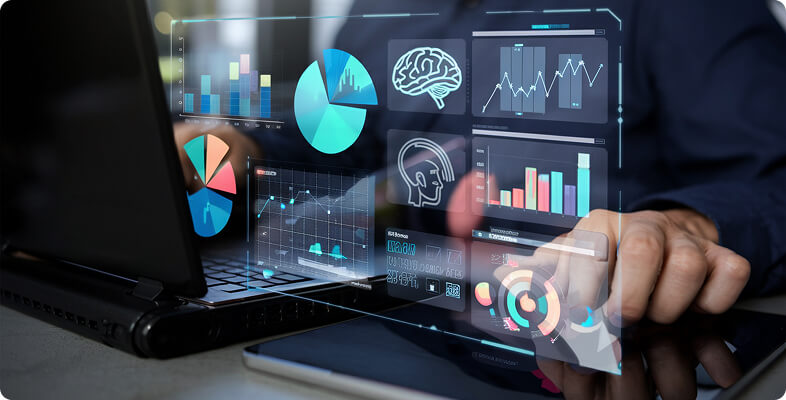
Starting your performance marketing education begins with understanding core digital advertising platforms. Google Ads and Facebook Ads represent the largest channels where most performance budgets flow. Learn how these platforms structure campaigns, target audiences, and charge for results. Master keyword research for search campaigns and audience segmentation for social advertising. Understanding platform mechanics provides the foundation for everything else. Begin with free certification courses offered by Google and Facebook, which cover essential concepts and platform-specific features while providing recognized credentials that enhance your resume.
Next, develop strong analytical skills to interpret campaign data and make optimization decisions. Performance marketing lives or dies on your ability to read metrics, identify trends, and test hypotheses systematically. Learn to calculate key performance indicators like cost per acquisition, return on ad spend, and customer lifetime value. Understand how to set up conversion tracking properly using tools like Google Analytics and Facebook Pixel. Practice building dashboards that surface actionable insights quickly. The ability to transform raw data into strategic decisions separates effective performance marketers from those who simply manage campaigns without improving results over time.
Beyond technical skills, cultivate creative abilities that drive engagement and conversions. Performance marketing isn't just numbers—compelling ad copy, persuasive landing pages, and attention-grabbing visuals determine whether audiences take action. Study direct response copywriting principles that motivate clicks and conversions. Learn basic design concepts to communicate effectively with creative teams or create simple assets yourself. Understand conversion psychology and how to structure offers that resonate with target audiences. The most successful performance marketers combine analytical rigor with creative experimentation, testing multiple approaches to discover what truly connects with customers and drives profitable action at scale.
Common Mistakes When Learning Performance Marketing
While performance marketing offers clear advantages, learners face real challenges when starting out. One major obstacle is the initial learning curve across multiple platforms, each with unique interfaces, terminology, and best practices. Google Ads alone contains dozens of campaign types, bidding strategies, and targeting options that can overwhelm beginners. Facebook's advertising ecosystem adds another layer of complexity. New marketers must invest significant time understanding these systems before running effective campaigns. This complexity requires patience and systematic learning rather than trying to master everything simultaneously, which often leads to confusion and discouragement.
Additionally, performance marketing requires budget to practice effectively. Unlike some skills you can learn entirely through free resources, running real campaigns demands ad spend. Even small test budgets add up, creating barriers for learners without financial resources or employer support. Making mistakes with real money feels riskier than theoretical exercises, sometimes causing hesitation that slows skill development. Aspiring performance marketers need strategies to gain hands-on experience affordably—starting with very small budgets, seeking internships, or offering services to small businesses in exchange for portfolio-building opportunities and practical learning experiences.
Moreover, the performance marketing landscape evolves constantly with platform updates, privacy changes, and shifting consumer behavior. Strategies that worked last year may become less effective as algorithms change or new competitors enter markets. iOS privacy updates, cookie deprecation, and regulatory changes continuously reshape tracking and targeting capabilities. Performance marketers must commit to ongoing education, staying current with industry news, platform announcements, and emerging best practices. This requirement for continuous learning can feel exhausting but remains essential for maintaining effectiveness. Building habits around regular skill updates ensures your performance marketing knowledge stays relevant and valuable over time.
How to Track Your Learning Progress
Measuring success when you learn performance marketing involves tracking both skill development and campaign outcomes. Start by assessing your understanding of core concepts through platform certifications and knowledge assessments. Google Ads and Facebook Blueprint certifications validate foundational knowledge and demonstrate competency to potential employers or clients. These structured learning paths ensure you cover essential topics systematically rather than developing knowledge gaps. Tracking certification progress provides clear milestones that mark your advancement from beginner to intermediate practitioner in performance marketing fundamentals.
Beyond certifications, evaluate your practical abilities through real campaign performance. Set clear objectives for test campaigns—whether improving click-through rates, reducing cost per conversion, or achieving target return on ad spend. Document baseline metrics and track improvements as you apply optimization techniques. Successful performance marketers demonstrate results, not just knowledge. Build a portfolio showcasing campaigns you've managed, challenges you've solved, and outcomes you've delivered. Even small-budget projects that show strategic thinking and measurable improvement prove your capabilities more convincingly than credentials alone when seeking employment or clients.
Long-term mastery appears in your ability to diagnose problems quickly and develop effective solutions across different industries and campaign types. As you gain experience, pattern recognition improves—you'll spot opportunities and issues faster, make better optimization decisions, and achieve results more efficiently. Track how your decision-making speed and accuracy improve over time. Advanced performance marketers can audit unfamiliar accounts, identify key issues within minutes, and outline strategic improvements confidently. This intuitive expertise develops through deliberate practice and reflection, transforming technical knowledge into practical wisdom that delivers consistent results regardless of specific circumstances or challenges.
Pitfalls That Slow Your Growth
To accelerate your performance marketing learning, avoid common mistakes that slow progress. One critical error is spreading focus too thin across too many platforms simultaneously. While performance marketing encompasses many channels, trying to master Google Ads, Facebook Ads, LinkedIn, TikTok, and affiliate marketing all at once dilutes your attention and slows skill development. Instead, build deep competency in one or two major platforms before expanding. Mastering core principles thoroughly in one system makes learning additional platforms much faster, as fundamental concepts transfer while only platform-specific mechanics require new learning.
Another pitfall is focusing exclusively on tactics without understanding strategy. Knowing how to set up campaigns technically doesn't guarantee success if you lack strategic thinking about audience targeting, offer positioning, and funnel optimization. Performance marketing requires both execution skills and strategic judgment about what to test, when to scale, and how to allocate budgets. Balance tactical learning with strategic education—study case studies, analyze successful campaigns, and understand the reasoning behind optimization decisions. Marketers who combine technical proficiency with strategic thinking deliver far better results than those who simply follow procedural checklists.
Furthermore, neglecting the importance of landing page and website optimization limits campaign effectiveness. Many beginners focus entirely on ad platforms while ignoring what happens after the click. Even perfectly targeted, brilliantly written ads fail if landing pages don't convert visitors effectively. Learn conversion rate optimization principles alongside advertising skills. Understand how page speed, messaging clarity, trust signals, and call-to-action design impact results. Performance marketing success requires optimizing the entire customer journey from ad impression through conversion, not just the advertising components.
Emerging Trends to Watch
The future of performance marketing will be shaped by privacy changes and evolving tracking technologies. As third-party cookies disappear and platform tracking becomes more restricted, performance marketers must adapt measurement approaches. First-party data collection, server-side tracking, and privacy-compliant attribution models will become essential skills. Marketers who learn performance marketing today should invest time understanding these emerging technologies and privacy frameworks. The core principles remain valuable, but technical implementation continues evolving. Staying ahead of these changes creates competitive advantages as many marketers struggle to adapt their measurement and optimization approaches.
Moreover, automation and artificial intelligence will transform how performance marketing campaigns are managed. Machine learning algorithms increasingly handle bid optimization, audience targeting, and creative testing that marketers once managed manually. Rather than making these skills obsolete, automation elevates the strategic importance of performance marketing expertise. Future success requires understanding how to guide algorithms effectively, interpret their decisions, and identify opportunities machines miss. Marketers who combine technical platform knowledge with strategic thinking, creativity, and business acumen will thrive as tactical execution becomes more automated. Focus on developing judgment and strategic skills that complement rather than compete with automation.
Lastly, as digital experiences become more integrated across devices and channels, performance marketers must master omnichannel attribution and customer journey optimization. Understanding how different touchpoints contribute to conversions and orchestrating consistent experiences across channels will separate advanced practitioners from basic campaign managers. Cross-channel measurement, unified customer data platforms, and sophisticated attribution modeling will become standard requirements. Marketers entering the field should build foundational skills while staying curious about emerging capabilities. The ability to connect performance marketing efforts to broader business outcomes and customer lifetime value will define success in an increasingly complex digital ecosystem.
