
A branding mockup is a visual representation that showcases how your brand identity will appear across real-world applications before final production. It's the bridge between design concepts and tangible brand materials, allowing businesses to preview logos, packaging, signage, and marketing collateral in realistic contexts. While mockups may seem like simple presentation tools, they serve critical functions in brand development, client approval processes, and marketing strategy. These digital simulations help stakeholders visualize brand elements on products, storefronts, websites, and promotional materials, reducing costly revisions and ensuring design decisions align with brand vision. Strong branding mockups accelerate decision-making, improve client communication, and validate design choices before committing resources to production. However, creating effective mockups requires understanding context, realism, and brand application scenarios. Mastering mockup fundamentals—choosing appropriate templates, maintaining visual consistency, showcasing brand versatility, and presenting professional results—is essential for designers, marketers, and business owners. This guide explores how branding mockups are created, utilized, and optimized, offering insights into tools and techniques that transform abstract brand concepts into tangible visual stories. From foundational principles to practical applications, we'll cover everything you need to present your brand identity with confidence and clarity.
1. What Is?
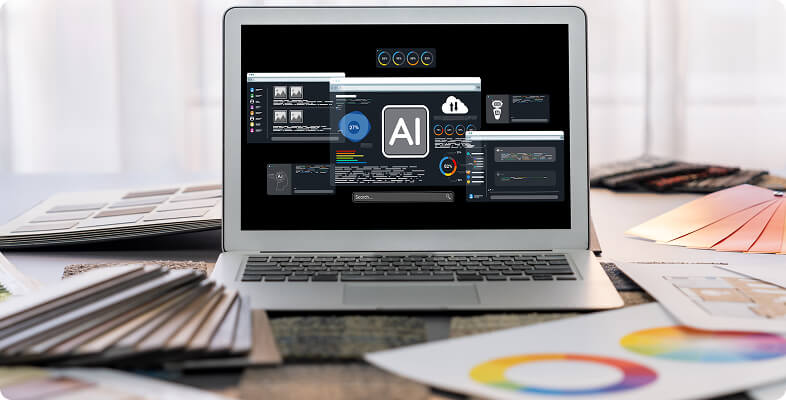
A branding mockup is a digital visualization tool that displays brand design elements in realistic, contextual settings. It encompasses logos, color schemes, typography, and visual assets placed on physical products, digital interfaces, or environmental spaces. Unlike flat design files, branding mockups bring brand identity to life by showing how elements interact with real surfaces, lighting, and perspectives. Effective mockups help clients and teams understand brand application instantly, building confidence in design decisions before production begins.
The power of branding mockups lies in their ability to communicate design intent clearly and persuasively. When stakeholders see a logo on actual product packaging or storefront signage rather than isolated on a white canvas, they grasp the brand's real-world impact immediately. This visualization creates alignment among team members, speeds approval cycles, and reduces misunderstandings that lead to expensive revisions. Companies and agencies use mockups to test brand variations, compare design options, and present polished concepts that win client approval and inspire confidence in brand direction.
However, branding mockups require more than dropping a logo onto a template. Quality mockups demand attention to lighting, perspective, scale, and contextual appropriateness to maintain credibility. The effectiveness of a mockup depends on factors including template realism, proper shadow integration, appropriate context selection, and technical execution quality. Designers must view mockups as strategic presentation assets rather than afterthoughts, selecting scenarios that showcase brand versatility and application range while maintaining professional polish that reflects the brand's intended market position and quality standards.
Why Branding Mockups Matter for Designers
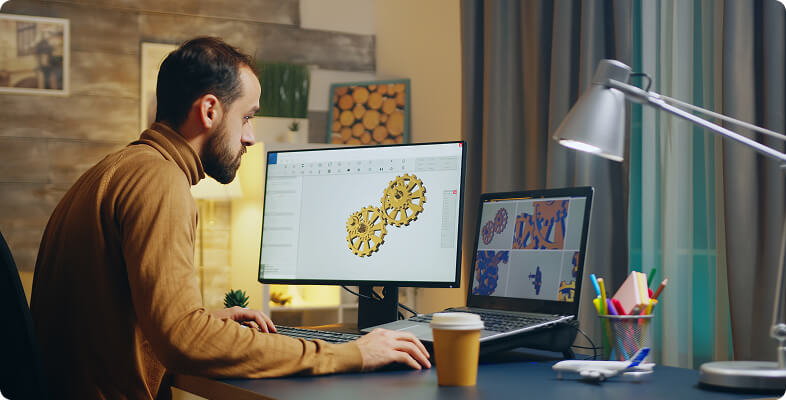
Branding mockups play a crucial role in design workflows by enabling rapid iteration and informed decision-making. When designers present multiple logo concepts or color variations in realistic contexts, clients can evaluate options based on practical application rather than abstract preference. This contextual comparison translates directly into faster approvals, reduced revision cycles, and stronger final outcomes. Quality mockups also reduce communication gaps between designers and non-design stakeholders, creating a shared visual language that eliminates ambiguity and builds consensus around brand direction.
Additionally, branding mockups provide marketing value beyond the design approval process. Professional mockups become portfolio pieces, social media content, and website visuals that demonstrate brand potential to prospective clients. Agencies showcase mockups to attract new business, while brands use them in pitch decks, investor presentations, and internal communications. This dual function makes mockups invaluable assets that serve both operational and promotional purposes. Mockups also facilitate brand guideline documentation, illustrating proper logo usage, color application, and design standards across various media and contexts.
Nevertheless, creating impactful branding mockups requires more than technical software skills. It demands understanding brand strategy, target audience expectations, and application scenarios relevant to specific industries. Designers must select mockup contexts that resonate with brand positioning—luxury brands need premium settings while startup brands benefit from modern, energetic environments. Successful mockup creation involves balancing realism with aspiration, showing brands in authentic contexts while elevating presentation quality. BrandStory helps businesses leverage mockups strategically, transforming brand concepts into compelling visual narratives that communicate value and accelerate decision-making across all stakeholder groups.
Key Elements That Make Strong Branding Mockups

Creating effective branding mockups requires selecting appropriate templates that match your brand's industry and application needs. Your mockup choices should reflect realistic scenarios where your brand will appear—product packaging, storefront signage, digital devices, or print materials. These contexts must feel authentic and relevant to your target audience, reinforcing brand positioning rather than contradicting it. Choose high-quality templates with adjustable lighting, shadows, and perspectives that allow customization while maintaining photorealistic results that build credibility and confidence.
Consistency is paramount in branding mockup presentation. Every mockup in a series should maintain similar lighting quality, perspective angles, and visual styling to create cohesive brand storytelling. Color accuracy across mockups ensures stakeholders see true brand colors rather than variations caused by different template lighting. This unified approach guarantees clients receive consistent brand impressions regardless of which mockup they view first, strengthening brand recognition and building trust in the design system's versatility and professional execution.
Beyond technical execution, showcasing brand versatility through diverse mockup applications strengthens presentation impact. Include mockups spanning multiple touchpoints—packaging, stationery, digital interfaces, environmental graphics, and promotional items—to demonstrate how the brand system adapts across contexts. This comprehensive approach helps stakeholders visualize the complete brand ecosystem rather than isolated elements. Select mockup scenarios that highlight brand strengths and address stakeholder concerns, creating narratives that answer questions before they're asked and building enthusiasm for brand implementation across all channels.
Common Challenges in Creating Mockups
While branding mockups offer significant presentation advantages, creating them presents real challenges. One major obstacle is finding high-quality templates that match specific brand application needs. Generic mockup libraries often lack industry-specific contexts or unique product categories, forcing designers to compromise on relevance. Custom mockup creation requires advanced 3D modeling or photography skills, demanding time and expertise many projects can't accommodate. This limitation sometimes results in mockups that feel disconnected from actual brand applications, reducing their persuasive impact.
Additionally, maintaining realism while customizing mockup templates can be technically complex. Poorly integrated logos with incorrect perspective, unrealistic shadows, or color mismatches immediately signal amateur execution and undermine client confidence. Smart object layers, displacement maps, and lighting adjustments require Photoshop proficiency that not all designers possess. Inconsistent technical quality across mockup sets creates visual discord that distracts from brand evaluation. Designers need robust technical skills and attention to detail to preserve mockup credibility throughout customization processes.
Moreover, mockup trends and aesthetic preferences constantly evolve with design culture and technology advances. Branding mockups that feel contemporary today may appear dated quickly if they follow fleeting visual trends too closely. Designers must balance current aesthetic expectations with timeless presentation quality, ensuring mockups enhance rather than distract from brand evaluation. Monitoring design trends, updating template libraries regularly, and maintaining flexible mockup approaches help presentations remain fresh and relevant without requiring complete overhauls for every project iteration.
How to Choose the Right Mockup Style
Evaluating branding mockup effectiveness involves analyzing how well they communicate brand application and facilitate decision-making. Visual realism is foundational; mockups should look convincingly like actual branded materials rather than obvious digital composites. Assess lighting consistency, shadow accuracy, perspective correctness, and color fidelity across all mockups. Stakeholder feedback reveals whether mockups successfully communicate brand vision—positive responses and quick approvals indicate effective mockup execution, while confusion or excessive revision requests signal presentation gaps.
Beyond realism, mockup context appropriateness matters significantly. Effective branding mockups place brand elements in scenarios that resonate with target audiences and reflect actual use cases. A tech startup benefits from mockups showing digital interfaces and modern office environments, while a restaurant brand needs food packaging and interior signage contexts. Evaluate whether mockup selections tell coherent brand stories that align with positioning strategy. Mockups should answer implicit stakeholder questions about brand versatility, application range, and real-world viability without requiring extensive explanation.
Presentation impact also provides concrete evidence of mockup quality. Professional mockups generate enthusiasm, speed approval processes, and reduce revision cycles—quantifiable benefits that demonstrate value. Track metrics like approval timeline length, revision request frequency, and stakeholder satisfaction scores to assess mockup effectiveness. Portfolio performance and client acquisition rates influenced by mockup presentations offer additional perspectives on their persuasive power. These indicators enable data-driven decisions about mockup investment priorities and template library development for future projects.
Mistakes That Weaken Your Mockup
To maximize branding mockup benefits, avoid common mistakes that undermine presentation quality. One critical error is using low-resolution or outdated mockup templates that immediately signal unprofessional work. When mockups look cheap or generic, they diminish perceived brand value regardless of actual design quality. Invest in premium mockup resources or develop custom templates that reflect current design standards. Ensure every mockup maintains high resolution, proper lighting, and photorealistic detail that builds rather than erodes stakeholder confidence in brand concepts.
Another pitfall is selecting mockup contexts that contradict brand positioning or confuse target audiences. Placing a luxury brand in budget retail environments or showcasing a corporate brand in overly casual settings creates cognitive dissonance that weakens presentation impact. Ensure mockup scenarios align with brand strategy, target market expectations, and actual application plans. Authentic context selection that reflects realistic brand touchpoints builds credibility, while aspirational yet believable settings inspire confidence without stretching into implausible fantasy that stakeholders dismiss as unrealistic.
Furthermore, neglecting technical details like perspective correction, shadow integration, and color accuracy can be detrimental. Logos that float unnaturally on surfaces, shadows pointing wrong directions, or colors that shift dramatically between mockups destroy realism instantly. Treat mockup technical execution as critical craft requiring careful attention and quality control. Focus on seamless integration that makes brand elements appear photographed rather than digitally added, ensuring presentation polish supports design evaluation.
Future Trends in Mockup Design
The future of branding mockups will be shaped by advancing technology and evolving presentation expectations. Three-dimensional and augmented reality mockups are becoming increasingly accessible, allowing stakeholders to interact with brand applications in immersive environments. Mockup presentations will move beyond static images toward dynamic experiences where clients manipulate products, explore spaces, and test brand variations in real-time. Designers who embrace these technologies early will create more engaging presentations that differentiate their services and provide clients with unprecedented brand visualization capabilities.
Moreover, artificial intelligence and automated mockup generation will play larger roles in design workflows. AI-powered tools that instantly place brand elements across multiple contexts with perfect perspective and lighting will accelerate mockup creation dramatically. Smart templates that automatically adjust to brand colors, adapt to different logo orientations, and suggest optimal presentation sequences will democratize professional mockup creation. These advances will shift designer focus from technical execution toward strategic context selection and narrative development, enabling more thoughtful brand storytelling through mockup presentations.
Lastly, as remote collaboration dominates creative workflows, branding mockups will increasingly integrate with digital collaboration platforms and presentation tools. Cloud-based mockup libraries, real-time editing capabilities, and interactive feedback systems will streamline approval processes across distributed teams. Mockups will become living documents that evolve through stakeholder input rather than static presentations requiring formal revision cycles. Understanding emerging collaboration tools, adapting mockup workflows for remote teams, and maintaining presentation quality across digital platforms will be essential for designers navigating increasingly virtual creative processes.
