
Selecting web design software comes with unique challenges that many creators overlook. The first hurdle is balancing powerful features with ease of use—finding tools that offer professional capabilities while remaining accessible. Choosing web design software means evaluating visual editors, code environments, responsive design tools, and collaboration features that match your skill level and project requirements. This requires understanding both your creative needs and technical comfort zone. Then there's the compatibility complexity: ensuring your chosen software integrates with hosting platforms, content management systems, and third-party plugins without conflicts. What works seamlessly in one environment may fail completely in another. Web design software must support your workflow while adapting to different project types, client requirements, and deployment contexts. Standing out with professional designs is increasingly difficult as more creators gain access to sophisticated tools. This drives up the need for truly skilled execution, custom functionality, and strategic design thinking if you want your websites to genuinely engage and convert visitors. For those venturing into professional web design, understanding these challenges upfront is essential for selecting realistic toolsets and building sustainable creative workflows. Throughout this guide, we'll explore these obstacles in detail and provide practical insights to help you navigate the complexities of evaluating, learning, and mastering the right web design software for your needs.
1. Drag-and-Drop Website Builders
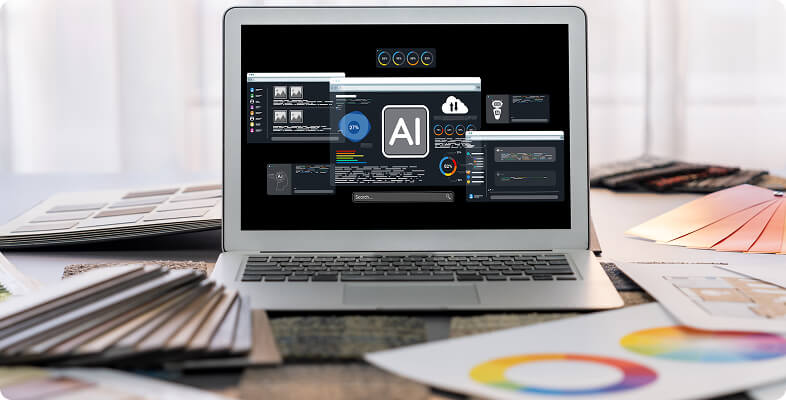
Mastering effective web design software is not an instant process. To achieve genuine proficiency and professional-quality results, you need to invest significant time and learning effort. Developing expertise with design platforms involves extensive practice, tutorial study, project experimentation, and skill-building that can span weeks or months.
These learning tasks require consistent attention throughout your development journey and career. Even after you've learned your web design software basics, the work continues. Regular skill updates, new feature adoption, and workflow refinements are necessary due to evolving software versions, industry standards, and changing client expectations in the professional design landscape.
The need for continuous learning and software updates can be demanding on both time and budget. For freelancers and small agencies working with web design software, resource constraints may mean that allocating funds to premium subscriptions could
2. Professional Code Editors and Development Platforms

divert attention from other critical priorities like marketing or hardware upgrades. These trade-offs often mean sacrificing immediate project capacity for the long-term benefits of having professional-grade web design software in your toolkit. Design technology evolves constantly.
New software versions, design paradigms, and platform capabilities emerge regularly, making it challenging to keep your web design software skills current and relevant. Each technological shift forces creators to evaluate whether upgrades are necessary and how to implement them without disrupting existing workflows or losing productivity during the transition period.
Software updates are unpredictable and affect web design software workflows in varying degrees. What seems like an essential feature today may become obsolete tomorrow as new standards emerge. This means that designers must remain flexible and prepared to adapt their web design software strategy as platforms evolve and new creative possibilities emerge through updated tools, templates, and integration capabilities that reshape professional workflows.
3. Visual Design and Prototyping Software

This uncertainty makes it difficult to guarantee long-term tool viability or plan with complete confidence. Solo designers without dedicated IT support struggle to manage major software migrations or compatibility issues. These professionals may lack the resources to continuously evaluate and switch their web design software, leaving them with outdated tools and inefficient workflows that hurt productivity and fall behind competitors who maintain current, optimized design technology stacks.
The web design software market is highly competitive, especially in professional sectors where designers compete for clients through portfolio quality. This competition often drives up the need for truly advanced tools, premium subscriptions, specialized plugins, and professional training needed to differentiate your work from countless other designers using similar web design software platforms.
As professional standards rise, complexity escalates further. The investment required to use web design software that successfully produces standout results is substantial. Premium subscriptions, advanced plugins, cloud storage, stock assets, and specialized training all contribute to significant financial commitments that add up quickly.
4. Content Management System Integrations
This can prove challenging for freelancers and startups operating with limited operating budgets. Furthermore, having expensive web design software doesn't automatically guarantee client success or portfolio quality.
Designers can find themselves continuously investing in their web design software to maintain professional competitiveness, which may strain resources over time. Effective web design software workflows rely heavily on current skills, updated knowledge, and technical proficiency.
The demand for constant learning and feature mastery can be overwhelming, especially for designers lacking the capacity or time to study cutting-edge tools regularly. Using web design software that produces results clients value requires balancing powerful features with efficient execution.
5. Responsive Design Testing Tools
It involves understanding your target market, identifying emerging design trends, and consistently developing and delivering compelling professional work. For designers without a dedicated learning schedule, this can lead to skill stagnation or declining quality, ultimately affecting the web design software's ability to help you compete and succeed effectively through professional creative output.
Outsourcing to specialized developers or design agencies is an option but adds another expense to the overall cost of maintaining your web design software capabilities. Technical aspects of web design software involve behind-the-scenes work to ensure optimal performance and cross-platform compatibility.
This includes optimizing assets, ensuring responsive output, and fixing rendering bugs that can affect user experience. While essential, these tasks often require specialized technical knowledge that not every designer possesses naturally.
6. Collaboration and Team Workflow
Technical problems like slow load times or broken mobile layouts can seriously impact client satisfaction and professional credibility. Addressing these issues typically requires development expertise, meaning hiring external specialists or investing in advanced training, adding to the operational costs of using your web design software effectively.
Additionally, optimization is ongoing; it's not a one-time fix. It requires regular monitoring, testing, and updates to ensure your web design software output continues performing optimally as devices and browser standards evolve.
This constant vigilance makes professional site management an additional burden for many designers. Local design agencies need their web design software to effectively serve clients in specific geographic markets.
7. Template Libraries and Asset Stores
However, using web design software for local clients presents unique challenges. It requires understanding local business needs and industry expectations, which can vary significantly from region to region. Implementing locally relevant design strategies involves incorporating regional branding and culturally appropriate aesthetics, which can be time-consuming.
Generic templates or inconsistent design styles can harm your web design software output's credibility and local appeal. Moreover, agencies in competitive local markets may struggle to differentiate their web design software capabilities from established local competitors, making it difficult to capture adequate local client attention and create memorable business impressions.
Repetitive design patterns are a critical concern when using web design software; they can create visual monotony and dilute your portfolio impact. Ensuring each project offers unique, purposeful design is essential but challenging, especially for prolific designers with numerous client projects covering similar industries or using similar web design software templates and components.
8. Performance Optimization Features
Repetitive web design software output can arise unintentionally through relying on familiar templates or default settings. Identifying and resolving these problems requires thorough portfolio reviews and organizational systems to maintain creative diversity and originality.
Managing design uniqueness properly is crucial, as repetition can bore clients and weaken your web design software portfolio's effectiveness. When projects repeat the same layouts or lack variety, the overall portfolio experience suffers and the work fails to achieve its demonstration and marketing goals.
Web design software effectiveness can be affected by various external factors beyond direct control. These include competitor tool choices, shifts in design trends, changes in client expectations, and evolving web standards that influence how people view and interact with professional websites.
9. E-commerce Website Building Platforms
For instance, a competitor might adopt superior web design software that raises client expectations. Alternatively, new web standards or design paradigms might emerge that change how users view and interact with website content online.
Choosing the right web design software is essential for creating professional, functional websites. The right platform enhances productivity, streamlines workflows, and empowers designers to build responsive sites efficiently, making software selection critical for successful web projects.
Effective web design software demands careful evaluation and technical understanding. Unlike simple website builders, professional design platforms require knowledge of interface complexity, feature depth, and workflow integration to ensure tools deliver both creative flexibility and technical performance.
10. Mobile App and PWA Development Tools
This complexity challenges businesses seeking quick website launches or rapid prototyping. Finding the perfect balance between powerful features, ease of use, and budget constraints often demands extensive research and testing, requiring careful evaluation throughout the entire software selection and implementation process.
Organizations must recognize that mastering web design software is an ongoing journey requiring both creative vision and technical proficiency. Success demands knowledge of design principles, responsive frameworks, code integration, and workflow optimization to create professional, fast-loading websites that engage users and achieve business goals effectively.
This specialized skill set is rarely found in traditional teams, making professional web design software challenging for most organizations. The discipline fuses visual design expertise, front-end development knowledge, and user experience principles in complementary ways.
11. SEO and Marketing Integration Tools
For companies lacking these technical capabilities, hiring experienced web designers or digital agencies becomes essential, adding significant investment. Additionally, evolving web standards and emerging design technologies require continuous learning and adaptation from teams managing web design software implementations.
Furthermore, web design software must support proper asset licensing and copyright compliance, avoiding unauthorized use of fonts, images, or code that risks legal consequences. Ethical design practices prioritize licensed resources, original creative assets, and proper attribution throughout projects.
While using unlicensed assets may seem convenient initially, they ultimately create legal exposure, takedown demands, and reputation harm that undermine long-term credibility and project integrity, even for smaller creative initiatives.
12. Cloud-Based Design and Hosting Suites
Ethical web design software workflows require greater upfront investment but ensure legal safety and authentic brand expression. Quality approaches demand licensed fonts, premium stock resources, or custom design elements, which require more budget and careful planning from the start.
Web design software impacts performance metrics like build time, site speed, and code efficiency. However, these measurements not only guide optimization but also create tension between maintaining design flexibility and achieving technical performance excellence.
Excessive focus on automation can sometimes diminish creative control and design uniqueness. Technical decisions prioritizing speed alone may sacrifice the visual quality professional sites require. Effective web design software balances quantitative metrics like load time with qualitative assessments of design flexibility and creative freedom, ensuring both efficient workflows and high-quality output for websites that deliver exceptional user experiences and business results.
