
Finding meaningful web design inspiration is a challenge every designer faces at some point. The first hurdle is filtering through endless galleries and portfolios to discover ideas that genuinely spark creativity rather than simply copying what already exists. True web design inspiration requires looking beyond surface aesthetics to understand the strategic thinking, user experience principles, and problem-solving approaches behind exceptional work. This means analyzing layout decisions, interaction patterns, visual hierarchies, and how design choices support specific business goals. Technical considerations add complexity: translating inspiration into practical implementations that work across devices, browsers, and real-world constraints without losing the original creative vision. A stunning concept you admire may rely on custom code, unique content, or resources unavailable for your project. Effective inspiration gathering must balance aspiration with feasibility, helping you adapt ideas to your specific context and client needs. Standing out grows harder as design trends spread rapidly across the web. This increases pressure to find distinctive inspiration sources, develop original interpretations, and create work that feels fresh rather than derivative. For designers seeking to grow their craft, building a systematic approach to discovering and applying helps maintain creative momentum and deliver exceptional results. Throughout this guide, we'll explore practical strategies to find, evaluate, and transform inspiration into outstanding design work.
1. Finding Fresh
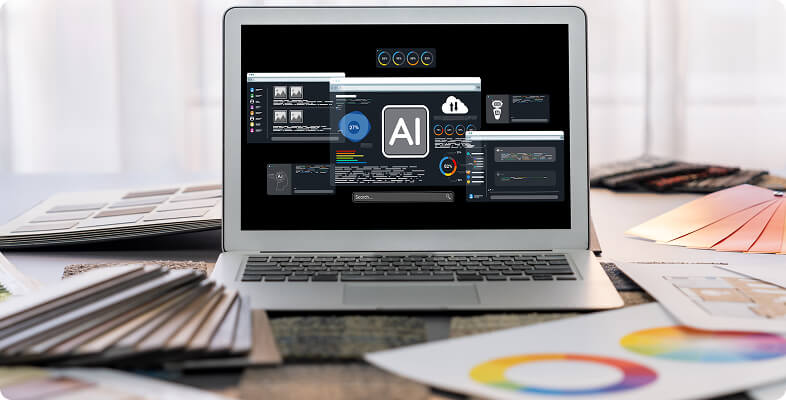
Discovering valuable web design inspiration is rarely a quick process. To find ideas that genuinely elevate your work and spark meaningful creative directions, you must invest significant time exploring diverse sources. Effective inspiration gathering involves browsing design galleries, analyzing award-winning sites, studying competitor work, and synthesizing insights that can span hours or days.
The search for fresh web design inspiration never truly ends. Even after completing a project, the need for new ideas continues. Regular exploration of emerging trends, innovative interaction patterns, and evolving visual styles becomes necessary as design standards advance, user expectations shift, and new creative possibilities emerge across digital platforms and technologies.
The demand for continuous inspiration hunting can strain both schedule and focus. For freelance designers and small teams juggling multiple projects, limited time may mean that seeking new web design inspiration could
2. Layout Patterns That Capture Attention
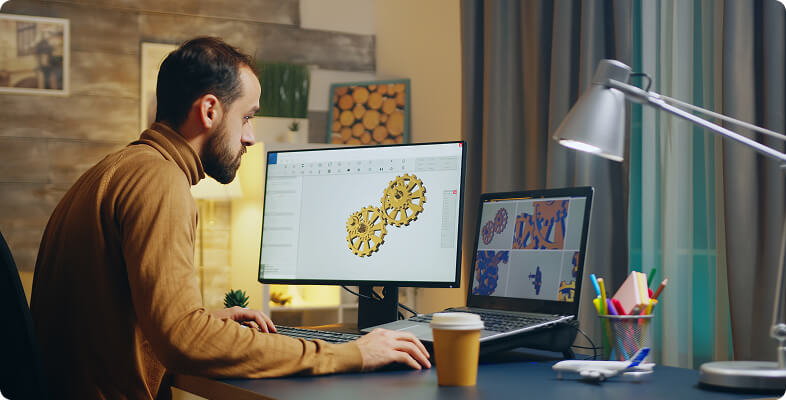
compete with billable client work or project deadlines. These trade-offs often require balancing immediate production demands against the long-term creative growth that comes from regularly discovering fresh web design inspiration. Design trends evolve constantly.
New visual movements, interaction paradigms, and aesthetic directions appear frequently, making it essential to keep your web design inspiration sources current and relevant. Each trend cycle requires designers to evaluate which ideas merit exploration and how to adapt them authentically without simply following every passing fad or losing creative identity.
Design evolution is unpredictable and affects how we approach web design inspiration. What feels innovative today may become standard practice tomorrow as new creative standards emerge. This means designers must stay curious and ready to refresh their inspiration sources as visual preferences shift and new creative possibilities appear through evolving tools, technologies, and cultural movements shaping digital design.
3. Color Schemes That Evoke Emotion

This unpredictability makes building a reliable inspiration system challenging and complicates creative planning. Small studios without dedicated research time struggle to systematically track emerging trends or curate quality inspiration libraries. These teams may lack resources to continuously discover and evaluate fresh web design inspiration, leaving them relying on outdated references and familiar patterns that limit creative growth and keep their work from reaching its full potential.
The search for distinctive web design inspiration is intensely competitive, particularly in creative fields where designers seek standout ideas to differentiate their work. This competition drives demand for truly original concepts, unique visual approaches, and innovative interaction patterns needed to ensure your designs feel fresh rather than derivative of countless other projects flooding design galleries.
As creative standards rise, the effort required increases proportionally. The investment needed to discover web design inspiration that genuinely elevates your work is substantial. Exploring niche design communities, studying cross-disciplinary creative fields, analyzing experimental projects, and synthesizing diverse influences all demand significant time commitments that accumulate quickly across multiple projects.
4. Responsive Design Inspiration Examples
This proves particularly challenging for independent designers and small agencies working under tight deadlines. Moreover, gathering abundant web design inspiration doesn't automatically translate to better creative output or client satisfaction.
Designers often find themselves continuously seeking new web design inspiration to maintain creative freshness, which can become exhausting over time. Effective inspiration gathering depends heavily on critical evaluation, strategic filtering, and selecting ideas that align with specific project goals and user needs.
The pressure for constant creative renewal can overwhelm designers lacking systems or discipline to curate inspiration effectively. Applying web design inspiration successfully requires balancing creative exploration with practical constraints, ensuring borrowed ideas enhance rather than overshadow your unique design voice and strategic thinking.
5. Navigation Styles That Guide Users
It involves understanding your project context, identifying relevant creative directions, and consistently translating inspiration into original solutions. For designers without structured inspiration workflows, this can result in creative paralysis or derivative work, ultimately undermining your ability to deliver distinctive designs that solve real problems and communicate effectively through thoughtful visual and interactive experiences.
Subscribing to premium design resources or inspiration platforms remains an option but introduces additional costs to your creative toolkit investment. Beyond aesthetics, web design inspiration should include technical innovation—discovering new approaches to performance optimization, accessibility implementation, and responsive design patterns that enhance user experience.
This includes studying how leading sites handle complex interactions, progressive enhancement, and cross-device consistency. While valuable, translating these technical inspiration examples into your own projects often demands specialized development skills that not every designer possesses.
6. Animation and Micro-Interaction Ideas
Technical gaps between inspiration and implementation can frustrate creative ambitions and limit what you can achieve. Bridging these gaps typically requires collaboration with developers or investing in technical learning, which adds complexity to applying web design inspiration effectively and may slow your ability to execute ideas you discover.
Furthermore, technical best practices evolve continuously; they're never static. Staying current demands regular exploration of new implementation techniques, testing methodologies, and performance strategies to ensure your web design inspiration includes not just visual ideas but also practical approaches that work with modern technologies.
This ongoing learning makes technical inspiration an essential but time-consuming aspect of design growth. BrandStory understands that designers need web design inspiration that connects with specific audiences and cultural contexts.
7. Accessible Design Inspiration
However, finding web design inspiration for niche markets presents distinct challenges. It requires discovering examples that reflect specific audience preferences and cultural nuances, which can differ dramatically across industries and demographics. Seeking culturally relevant inspiration involves exploring regional design communities and sector-specific showcases, which can be labor-intensive.
Generic design galleries or mainstream inspiration sources may not address your specific context needs. Additionally, designers working in specialized industries may find limited web design inspiration from their sector, making it harder to discover relevant examples and forcing them to adapt ideas from unrelated fields, which requires additional creative translation and strategic thinking.
Repetitive inspiration sources pose a significant risk when building your creative reference library; they can create homogeneous portfolios and limit creative growth. Ensuring your web design inspiration comes from diverse sources offering varied perspectives is vital but difficult, especially for busy designers who naturally gravitate toward familiar galleries and comfortable aesthetic territories.
8. Component Libraries and Style Guides
Repetitive web design inspiration can emerge unintentionally through algorithm-driven feeds or limited source diversity. Avoiding these echo chambers requires intentional curation practices and deliberate exploration beyond your usual channels to preserve creative breadth and discover truly original ideas.
Maintaining source diversity properly is essential, as repetition can stagnate creative development and narrow your design vocabulary. When inspiration comes from similar sources or reflects uniform aesthetic trends, your creative range contracts and your work risks feeling formulaic rather than distinctive and thoughtfully crafted.
How you respond to web design inspiration can be influenced by numerous factors beyond the inspiration itself. These include your current skill level, available project resources, client constraints, timeline pressures, and team capabilities that affect which ideas you can realistically pursue and successfully implement.
9. Real-World Case Studies and Portfolios
For example, you might discover exceptional web design inspiration that requires advanced animation skills or custom development. Alternatively, budget limitations or tight deadlines might prevent you from fully exploring ideas that initially excited you and seemed perfect for your project.
Curating effective web design inspiration is fundamental for creative growth and delivering exceptional work. Strategic, purposeful inspiration gathering strengthens your design thinking, expands your creative vocabulary, and shapes how you approach problems, making systematic inspiration practices critical for long-term success.
Effective web design inspiration requires intentional curation and regular exploration. Unlike passive scrolling through generic feeds, building a valuable inspiration library demands active evaluation, organized collection systems, and critical analysis to ensure the ideas you save genuinely inform your work and support your creative development over time.
10. Latest Trends in
Web design inspiration fuels creativity while demanding practical execution, requiring designers to balance bold visual concepts with usability and performance. Finding fresh ideas means studying color palettes, layout structures, and interactive elements that captivate users, then adapting those insights to create interfaces that load quickly and work seamlessly across every device and screen size.
Great web design inspiration comes from exploring award-winning portfolios, design galleries, and real-world examples that showcase innovative navigation patterns, typography pairings, and visual storytelling techniques. Designers who study these references learn to blend aesthetic trends with accessibility standards, responsive grids, and conversion-focused layouts, transforming inspiration into interfaces that engage visitors and guide them naturally toward meaningful actions.
This blend of creative exploration and strategic thinking separates memorable digital experiences from generic templates. Web design inspiration drives designers to experiment with whitespace, motion effects, and visual hierarchy while keeping user needs and business goals at the forefront of every decision.
11. Design Tools and Resource Collections
Teams lacking dedicated design resources often seek external partners or curated inspiration libraries to spark fresh ideas and stay competitive. Keeping up with evolving aesthetics, emerging interaction patterns, and new design tools requires continuous learning, regular exploration of design showcases, and willingness to experiment with bold concepts.
Additionally, sourcing web design inspiration responsibly means respecting intellectual property and avoiding direct copying of layouts, graphics, or code from other sites. Ethical designers use references as springboards for original work, adapting concepts rather than replicating them, and always crediting influences when sharing their own projects publicly.
Copying designs outright may seem efficient but risks legal disputes, damaged reputation, and lost credibility that undermine client trust and professional standing. Even small projects deserve original thinking informed by inspiration rather than imitation of existing work.
12. Performance-Friendly Visual Techniques
Ethical approaches to web design inspiration require investing time in research and creative development but yield authentic brand identities that stand out. Quality design processes involve mood boards, concept sketches, and iterative refinement, demanding thoughtful planning and budget allocation from the project start.
Translating web design inspiration into live sites means balancing visual ambition with technical realities like load speed, mobile responsiveness, and browser compatibility. Designers must adapt inspiring concepts to meet performance standards while preserving the emotional impact and aesthetic appeal that made the reference compelling.
Chasing trends from web design inspiration galleries without considering user context can lead to beautiful interfaces that confuse visitors or fail to convert. Smart designers filter inspiration through strategic lenses, asking whether each visual idea serves the audience and business goals. BrandStory helps teams transform inspiring concepts into purposeful designs that marry aesthetic excellence with measurable results, ensuring every creative choice supports both brand storytelling and user success across all touchpoints.
