
Exploring fresh web design ideas brings exciting opportunities but also unique challenges that many overlook. The first hurdle is translating creative concepts into functional reality—striking the balance between aesthetic vision and technical feasibility. Beautiful web design ideas must work across devices, load quickly, and serve real user needs, not just look impressive in mockups. Then there's the complexity of staying current: design trends evolve rapidly, and what feels cutting-edge today can appear dated within months. Color schemes, typography choices, layout patterns, and interaction models shift constantly, requiring designers to continuously refresh their creative approach. Competition intensifies the challenge, as countless websites showcase innovative web design ideas daily. Standing out demands originality while maintaining usability—a delicate balance that often increases project scope and budget. For those seeking inspiring web design ideas, understanding these creative and practical challenges upfront helps set realistic expectations. Throughout this guide, we'll explore common obstacles in implementing modern web design ideas and provide actionable insights to help you create visually stunning, functionally effective websites that resonate with your audience.
1. Visual Hierarchy and Layout
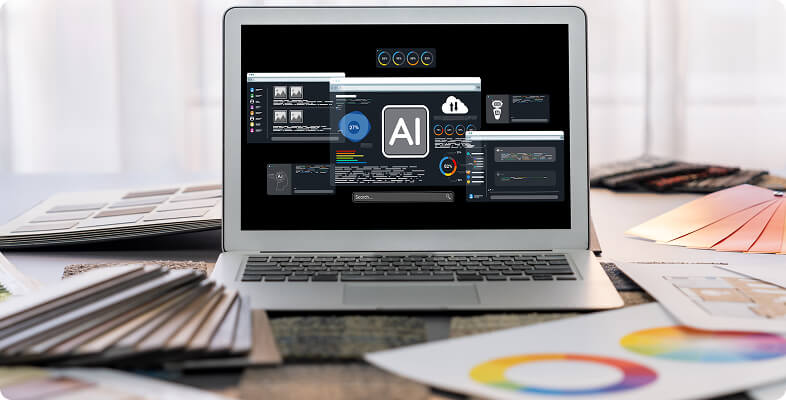
Developing compelling web design ideas isn't instantaneous. To create a truly effective design that resonates with users, you need significant planning and iteration. Exploring web design ideas involves research, sketching concepts, prototyping layouts, and refining visual elements—a process that can span weeks or even months.
These creative tasks demand consistent attention throughout the design and development phases. Even after launch, your web design ideas must evolve. User feedback, performance data, and emerging design patterns require ongoing refinement to keep your website fresh, engaging, and aligned with current expectations in the digital space.
Continuous design iteration and updates can strain both time and budget. For small businesses and solo designers exploring new web design ideas, limited resources may mean that investing heavily in cutting-edge design could
2. Color Schemes and Typography That Convert
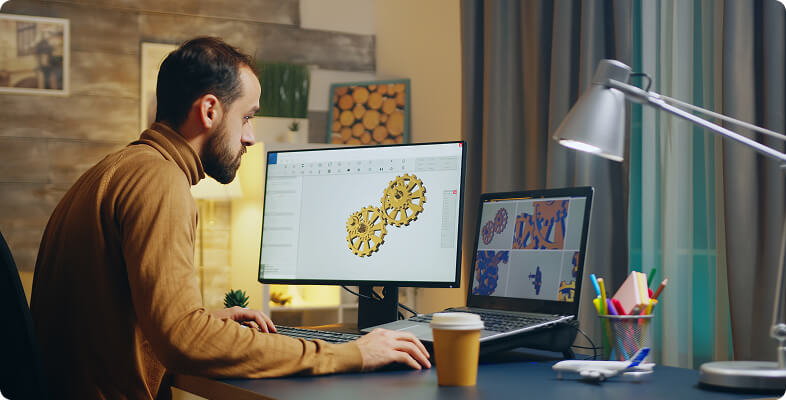
pull focus from other essential priorities like content strategy or marketing execution. These trade-offs often require balancing immediate business objectives against the long-term value of implementing innovative web design ideas. Design trends shift constantly.
New layout techniques, color palettes, typography styles, and interaction patterns emerge regularly, making it challenging to keep web design ideas current and competitive. Each trend wave forces designers to evaluate which ideas enhance user experience and which are merely fleeting fads that don't warrant implementation.
Design evolution is unpredictable and affects websites differently depending on industry and audience. What seems like a perfect design direction today may require significant revision tomorrow as user preferences shift. This means designers must stay flexible and ready to adapt their web design ideas as aesthetic standards evolve and new creative possibilities emerge through advancing technology.
3. Whitespace and Minimalist Approaches

This unpredictability makes long-term design planning difficult. Small teams without dedicated designers struggle to keep pace with major design shifts or implement complex visual concepts. These organizations may lack the expertise to execute sophisticated web design ideas, leaving their sites feeling outdated compared to competitors who invest more heavily in professional design resources and continuous creative development.
The web design landscape is intensely competitive, especially in industries where visual differentiation matters most. This competition drives up expectations for originality, polish, and sophistication. Implementing standout web design ideas often requires premium tools, skilled designers, custom illustrations, and advanced interactions that significantly increase project costs.
As creative standards rise, investment requirements grow accordingly. The resources needed to execute web design ideas that truly differentiate your brand are substantial. Professional design software, stock assets, custom photography, motion graphics, and specialized development all contribute to mounting expenses that accumulate throughout the project lifecycle.
4. Interactive Elements and Micro-Animations
This proves especially challenging for startups and small businesses with constrained budgets. Moreover, implementing beautiful web design ideas doesn't automatically guarantee user engagement or business results.
Businesses often find themselves continuously investing in design refreshes to stay competitive, which strains resources over time. Effective web design ideas depend heavily on compelling visual content—photography, graphics, and media that bring concepts to life.
The demand for high-quality visual assets can overwhelm teams lacking design resources or creative expertise. Sourcing or creating imagery that supports your web design ideas while maintaining brand consistency requires both creative vision and practical execution skills that blend aesthetics with strategic communication goals.
5. Navigation Patterns and Menus
It involves understanding your audience's visual preferences, identifying appropriate imagery styles, and consistently producing or curating quality assets. For organizations without in-house creative teams, this can lead to inconsistent visual quality or generic stock imagery that undermines otherwise strong web design ideas, ultimately weakening the site's ability to engage visitors and communicate brand personality effectively.
Outsourcing to freelance designers or creative agencies is viable but adds significant expense to implementing your web design ideas. Technical implementation of web design ideas involves translating visual concepts into functional code that performs reliably across browsers and devices.
This includes ensuring responsive layouts, optimizing animations, and resolving cross-browser compatibility issues. While essential, these technical tasks require specialized front-end development skills that bridge the gap between creative vision and working reality.
6. Hero Section Design Strategies
Technical limitations like poor mobile rendering or sluggish animations can undermine even the most brilliant web design ideas. Addressing these challenges typically requires experienced developers, meaning hiring specialists or investing in team training, which adds to the overall cost of bringing your web design ideas from concept to launch.
Additionally, technical maintenance continues post-launch; it's not a one-time effort. Ongoing browser updates, device releases, and performance optimization require regular attention to ensure your web design ideas continue functioning beautifully as the technical landscape evolves.
This constant technical vigilance adds another layer of complexity to maintaining great design. Local businesses need web design ideas that effectively connect with community audiences and reflect regional character.
7. Card-Based and Grid Layout Ideas
However, tailoring web design ideas for local markets presents distinct challenges. It requires understanding local aesthetic preferences, cultural nuances, and community values, which vary significantly across regions. Implementing locally-relevant design involves incorporating location-specific imagery, color schemes, and messaging that resonate authentically with your geographic audience.
Generic or inconsistent design approaches can weaken local connection and credibility. Moreover, businesses in competitive local markets struggle to differentiate their web design ideas from established competitors, making it difficult to create a distinctive visual identity that captures local audience attention while still feeling professional and trustworthy.
Visual consistency is critical when implementing web design ideas across multiple pages; inconsistent styling confuses visitors and weakens brand perception. Ensuring cohesive design patterns throughout your site is essential but challenging, especially for larger websites with numerous page types, each requiring unique layouts while maintaining overall design harmony.
8. Imagery and Visual Content Style
Design inconsistencies can arise through poor planning, multiple contributors, or evolving design systems without proper documentation. Identifying and correcting these issues requires thorough design audits and systematic application of style guides to maintain visual integrity across all touchpoints.
Managing design consistency properly is crucial, as fragmented visual experiences confuse visitors and dilute brand impact. When pages feel disconnected or styling varies unpredictably, overall user experience suffers and the site fails to build the cohesive brand impression that strong web design ideas should deliver.
Web design effectiveness can be influenced by various external factors beyond direct control. These include competitor design innovations, shifts in user expectations, changes in device usage patterns, and evolving accessibility standards that influence how people perceive and interact with website aesthetics.
9. Call-to-Action Button Placement
For instance, a competitor might launch a visually stunning site that raises the design bar. Alternatively, new devices or interaction paradigms might emerge that change how users expect to navigate and experience web design ideas in practice.
Staying current with evolving web design ideas requires adapting to trends, user expectations, and technology shifts. Businesses must remain flexible to keep their sites fresh, engaging, and competitive in a rapidly changing digital landscape.
Implementing effective web design ideas is a gradual process, not an instant transformation. Building a cohesive visual identity and user experience takes time, iteration, and careful refinement to ensure every element works harmoniously together.
10. Dark Mode and Theme Variations
This slower pace can challenge teams seeking quick visual overhauls or immediate user feedback. Meaningful improvements in engagement and conversions often emerge over weeks or months, requiring patience and ongoing testing as new web design ideas are integrated and optimized.
Organizations must view web design ideas as part of a long-term digital strategy, not a one-time project. Success demands understanding of user psychology, visual hierarchy, accessibility standards, and emerging design patterns to create experiences that resonate with audiences and drive sustained engagement over time.
This specialized skill set is rarely available in-house, making modern web design ideas challenging to execute internally. The field spans UX, visual design, front-end development, and accessibility, requiring a multidisciplinary approach.
11. Accessibility and Inclusive Design
For companies without these capabilities, hiring agencies or freelance designers becomes necessary, increasing project costs. Additionally, the constant evolution of web design ideas and best practices demands continuous learning and skill development from internal teams, creating ongoing resource challenges.
Furthermore, implementing web design ideas must prioritize accessibility and inclusive design, ensuring all users can navigate and engage with content. Ethical design emphasizes usability, transparency, and user respect, though it may require more planning than shortcuts.
While cutting corners on accessibility or user testing may speed initial launches, these shortcuts ultimately harm user experience and can lead to compliance issues that damage brand reputation and performance.
12. Performance-Focused Design Choices
Ethical web design ideas require greater upfront investment but deliver sustainable user satisfaction and brand trust. Quality approaches demand thorough research, user testing, and iterative refinement, which require more time and higher initial costs.
Web design ideas are evaluated through metrics like engagement rates, time on page, and conversion performance. However, these measurements not only guide design decisions but also create pressure for continuous visual and functional improvement.
Excessive focus on metrics can sometimes push teams toward trendy design elements rather than user-centered solutions. Tactical changes that boost immediate numbers may compromise long-term usability. Effective design balances quantitative data with qualitative user feedback and accessibility considerations, ensuring both aesthetic appeal and lasting functionality that serves diverse audiences and business goals.
