
Exploring web design examples reveals the diverse approaches and creative solutions that make websites effective and memorable. The first thing you'll notice when studying web design examples is the incredible variety in visual styles, layouts, and user experiences. From minimalist portfolios to complex e-commerce platforms, each web design example serves specific goals and audiences. Understanding what makes certain web design examples successful requires looking beyond aesthetics to examine functionality, user flow, and strategic design decisions. Great web design examples balance creativity with usability, ensuring visitors can navigate intuitively while enjoying visually compelling experiences. Throughout this guide, we'll examine standout web design examples across different industries and purposes, breaking down the elements that make them work. Whether you're seeking inspiration for your own project or trying to understand current design trends, these web design examples offer valuable lessons in effective digital design and user experience.
1. Minimalist Portfolio Designs
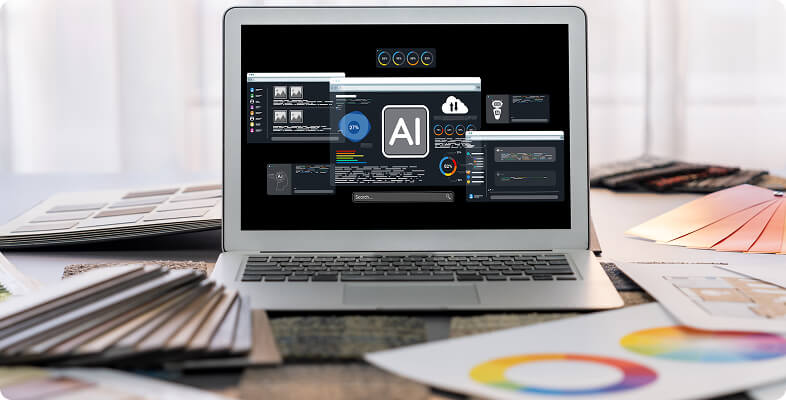
Studying web design examples provides invaluable insights into what works in digital design. To truly understand effective web design, you need to examine multiple examples across different industries, styles, and purposes. Analyzing web design examples helps identify patterns, trends, and techniques that resonate with users.
These examples showcase how successful sites balance visual appeal with functionality. Even after reviewing numerous web design examples, new trends and approaches continue to emerge. Regular exploration of fresh web design examples keeps your understanding current with evolving design standards, user expectations, and technological capabilities in the digital space.
The diversity of web design examples can be both inspiring and overwhelming. For designers and business owners exploring web design examples, the sheer variety of styles and approaches may make it challenging to determine which direction
2. Bold Typography and Color Schemes in Modern Sites

best suits their specific needs and audience. These decisions often require balancing personal preferences with user research and business objectives when selecting which web design examples to emulate. Visual trends in web design evolve constantly.
New layout patterns, color schemes, and interaction models emerge regularly, making it essential to review current web design examples to stay competitive. Each design trend influences how users perceive and interact with websites, forcing designers to evaluate whether new approaches enhance or detract from user experience and brand identity.
Design preferences shift unpredictably and affect web design examples in varying ways. What appears cutting-edge in today's web design examples may look dated within months as new aesthetics emerge. This means designers must remain adaptable and willing to evolve their approach based on current web design examples and emerging best practices in the industry.
3. Interactive and Animated Web Elements

This constant evolution makes it challenging to create timeless designs with lasting appeal. Small businesses without design expertise struggle to interpret which web design examples are appropriate for their brand. These organizations may lack the resources to continuously update their website aesthetics, leaving them with outdated designs while competitors adopt fresh approaches reflected in contemporary web design examples.
The web design examples landscape is highly diverse, especially across popular industries where countless sites compete for attention. This diversity demonstrates the range of design approaches available, from bold and experimental to clean and minimal, each web design example reflecting different priorities and audience preferences.
As design sophistication increases, expectations rise accordingly. The standards set by exceptional web design examples create pressure to invest in professional design services. Premium design tools, custom development, professional photography, and quality content all contribute to creating web design examples that truly stand out from the competition.
4. E-Commerce Layouts with Strong Visuals
This can prove daunting for startups and small businesses with limited budgets. Furthermore, beautiful design alone doesn't guarantee business success or user engagement without strategic planning.
Businesses can find themselves constantly redesigning to match evolving web design examples, which may strain resources over time. Effective web design examples demonstrate the importance of cohesive visual language and consistent branding throughout the site.
The challenge of maintaining visual consistency across all pages can be significant, especially for larger websites with multiple sections and content types. Creating designs that remain coherent while allowing flexibility for different content requires careful planning and systematic design thinking demonstrated in the best web design examples.
5. Grid-Based and Asymmetric Layouts
It involves establishing clear design systems, defining reusable components, and ensuring every page aligns with overall brand guidelines. For organizations without dedicated design teams, this can lead to inconsistent experiences or visual fragmentation, ultimately affecting how users perceive and navigate the website compared to polished web design examples.
Hiring professional designers or agencies is an option but represents a significant investment in creating web design examples worthy of your brand. Technical implementation of web design examples involves translating visual concepts into functional code and ensuring cross-browser compatibility.
This includes responsive design for various devices, optimized asset loading, and interactive elements that enhance user experience. While essential, these technical aspects require specialized development skills that not every business possesses internally.
6. Single-Page Scrolling Experiences
Technical issues like broken layouts or poor mobile experiences can seriously undermine even the most beautiful web design examples. Addressing these challenges typically requires experienced developers, meaning hiring external specialists or investing in team training, adding to the overall cost of implementing professional web design examples.
Additionally, technical maintenance is ongoing as browsers and devices evolve. It requires regular testing, updates, and refinements to ensure web design examples continue displaying correctly as technologies and standards change across platforms.
This constant attention makes technical execution an additional consideration beyond initial design. Local businesses need web design examples that effectively communicate their community presence and regional identity.
7. Dark Mode and High-Contrast Themes
However, creating web design examples that resonate with local audiences presents unique opportunities. It requires understanding local aesthetic preferences and cultural nuances, which can vary significantly from region to region. Implementing locally-relevant design involves incorporating location-specific imagery and community-focused messaging effectively.
Authentic local representation in web design examples builds trust and connection with regional audiences. Moreover, businesses in competitive local markets can use distinctive web design examples to differentiate themselves from established competitors, making it easier to capture local audience attention through unique visual identity and memorable user experiences.
Visual consistency is a critical element in successful web design examples; it creates cohesive experiences that build brand recognition. Ensuring each page maintains consistent design language is essential but challenging, especially for larger websites with numerous sections covering different topics, products, or services.
8. Micro-Interactions and Hover Effects
Inconsistent design can arise through ad-hoc additions, multiple contributors, or evolving brand guidelines over time. Identifying and resolving these inconsistencies requires thorough design audits and systematic updates to maintain visual integrity across all pages.
Managing design consistency properly is crucial, as fragmented experiences confuse visitors and weaken brand perception. When pages feel disconnected or use conflicting visual styles, the overall user experience suffers and the site fails to achieve its communication and conversion goals effectively.
Web design examples are influenced by various external factors beyond individual control. These include emerging design trends, shifts in user expectations, changes in device usage patterns, and evolving accessibility standards that influence how people interact with and perceive websites.
9. Full-Screen Video Backgrounds
For instance, a competitor might launch an innovative web design example that raises industry standards. Alternatively, new devices or interaction methods might emerge that change how users expect to navigate and consume website content.
Studying web design examples reveals how external trends and user expectations constantly evolve. Adapting to these shifts is essential for designers to stay relevant and create sites that resonate with modern audiences.
Unlike instant design templates, crafting exceptional web design examples requires thoughtful iteration and refinement. It's a gradual process of testing, learning, and improving to achieve visual appeal and functional excellence over time.
10. Clean Navigation and User Flow
This reality can frustrate teams seeking quick portfolio pieces or immediate client approval. Truly outstanding web design examples often emerge after multiple revisions and user testing cycles, demanding patience and willingness to refine concepts throughout the creative journey.
Designers must recognize that building compelling web design examples is a long-term craft requiring dedication and continuous learning. Success demands deep understanding of visual hierarchy, user experience principles, and evolving design trends to create work that stands out and delivers meaningful results for clients and users alike.
This specialized skill set is rarely found in every team member, making quality web design examples challenging to produce consistently. The discipline spans visual design, UX research, front-end development, and accessibility—demanding a comprehensive approach.
11. Whitespace and Breathing Room in Design
For companies lacking these capabilities, hiring experienced designers or agencies becomes necessary, adding project costs. Additionally, the rapid evolution of web design examples and best practices requires continuous skill development and staying current with emerging tools and techniques.
Furthermore, creating web design examples must follow accessibility standards and ethical design principles, avoiding dark patterns or manipulative tactics. Ethical approaches prioritize user needs, inclusive design, and transparent interactions, though they may require more thoughtful planning.
While shortcuts like excessive pop-ups or misleading CTAs may boost short-term metrics, they ultimately damage user trust and brand reputation, harming long-term performance and credibility.
12. Responsive Grids and Mobile-First Layouts
Ethical web design examples require greater upfront investment but ensure sustainable user satisfaction and brand loyalty. Quality approaches demand genuine user research and thoughtful interaction design, which require more time and higher initial commitment.
Web design examples are evaluated through metrics like conversion rates, time on page, and user engagement. However, these measurements not only validate design decisions but also create pressure for continuous iteration and improvement.
Excessive focus on metrics can sometimes push designers toward trendy elements rather than timeless, strategic solutions. Tactical choices that boost immediate engagement may compromise long-term usability. Effective design evaluation balances quantitative data with qualitative user feedback and brand alignment, ensuring both immediate impact and lasting effectiveness for web design examples that truly serve their purpose.
