
Developing compelling page design ideas comes with unique challenges that many designers overlook. The first hurdle is balancing visual creativity with usability—creating striking layouts while keeping pages functional and accessible. Exploring page design ideas means experimenting with innovative grids, thoughtful typography, strategic color palettes, and interactive elements that enhance user experience. This requires both aesthetic vision and practical understanding. Then there's the implementation complexity: ensuring your page design ideas work across browsers, devices, and screen sizes without compromising quality. What looks perfect on desktop may need significant adaptation for mobile. Effective page design ideas must maintain their visual impact while adapting to different viewing contexts and user needs. Standing out in a crowded digital landscape is increasingly difficult as design standards continue to rise. This drives up the need for truly original page design ideas, custom solutions, and thoughtful interactions if you want your pages to genuinely engage and convert visitors. For those venturing into modern web design, understanding these challenges upfront is essential for creating realistic project scopes and sustainable design workflows. Throughout this guide, we'll explore these obstacles in detail and provide practical insights to help you navigate the complexities of concepting, building, and maintaining truly effective page design ideas.
1. Bold Typography and Large Fonts
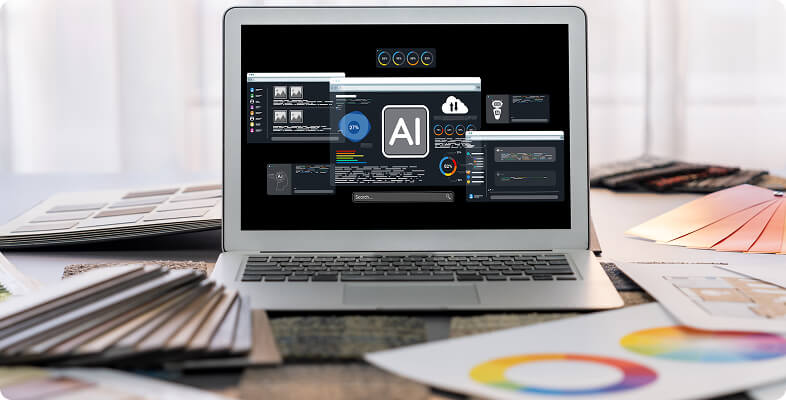
Creating effective page design ideas is not an instant process. To achieve genuine visual impact and memorable user experiences, you need to invest significant time and thoughtful effort. Developing compelling web layouts involves extensive research, wireframing, prototyping, testing, and iteration that can span days or weeks.
These design tasks require consistent attention throughout development and after launch. Even after your page design ideas go live, the work continues. Regular updates, content refreshes, and layout refinements are necessary due to evolving design trends, device capabilities, and changing user expectations in the digital landscape.
The need for continuous updates and refinement can be demanding on both time and budget. For small agencies and individual designers implementing fresh page design ideas, resource constraints may mean that allocating funds to experimental layouts could
2. Minimalist Layouts with Maximum White Space Impact
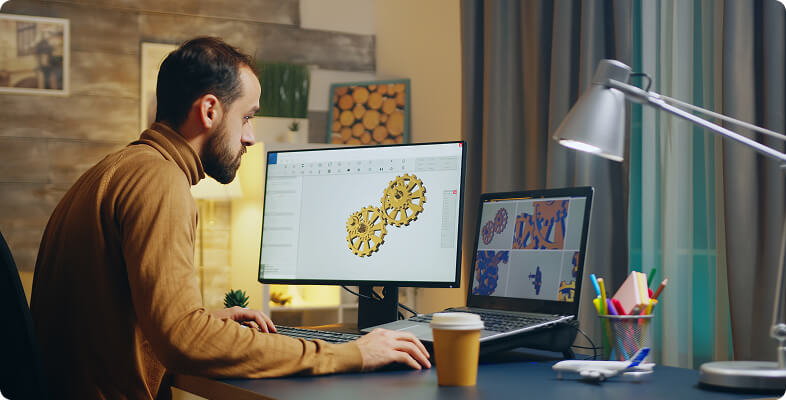
divert attention from other critical priorities like client deliverables or skill development. These trade-offs often mean sacrificing immediate project work for the long-term benefits of having standout page design ideas in your portfolio. Web design trends evolve constantly.
New frameworks, layout patterns, and design systems emerge regularly, making it challenging to keep page design ideas current and relevant. Each trend shift forces designers to evaluate whether updates are necessary and how to implement them without losing the original design vision or breaking existing user flows.
Design trends are unpredictable and affect page design ideas in varying degrees. What seems like cutting-edge layout today may feel outdated within months as new patterns emerge. This means that designers must remain flexible and prepared to adapt their page design ideas strategy as web aesthetics evolve and new creative possibilities emerge through updated design systems, frameworks, and user interface conventions.
3. Vibrant Color Schemes and Gradients

This uncertainty makes it difficult to guarantee long-term relevance or plan with complete confidence. Small studios without dedicated design teams struggle to manage major trend shifts or framework updates. These organizations may lack the resources to continuously refresh their page design ideas, leaving them with outdated layouts and stale visual patterns that hurt user engagement and fall behind competitors who maintain fresh, modern design approaches.
The page design ideas space is highly competitive, especially in creative industries where designers compete for attention through innovative work. This competition often drives up the need for truly original concepts, custom components, thoughtful animations, and innovative layouts needed to differentiate your page design ideas from countless other design projects.
As design standards rise, complexity escalates further. The investment required to create page design ideas that successfully stand out is substantial. Custom illustration, advanced component design, motion graphics, experimental typography, and modern frameworks all contribute to significant time commitments that add up quickly.
4. Scroll-Triggered Animations and Transitions
This can prove challenging for freelancers and small studios operating with limited project budgets. Furthermore, having visually striking page design ideas doesn't automatically guarantee client interest or project success.
Designers can find themselves continuously investing in their page design ideas to maintain creative competitiveness, which may strain resources over time. Effective page design ideas rely heavily on fresh, innovative concepts that engage visitors and showcase design skill.
The demand for constant experimentation and updates can be overwhelming, especially for designers lacking the capacity or expertise to produce cutting-edge work regularly. Creating page design ideas that resonate with audiences while maintaining usability requires balancing visual creativity with functional design.
5. Grid-Based and Modular Layouts
It involves understanding your target audience, identifying emerging layout patterns, and consistently developing and publishing compelling design work. For designers without a dedicated team, this can lead to burnout or declining quality, ultimately affecting the page design ideas' ability to engage and convert visitors effectively through thoughtful visual communication.
Outsourcing to specialized design studios or agencies is an option but adds another expense to the overall cost of maintaining your page design ideas. Technical aspects of page design ideas involve behind-the-scenes work to ensure optimal performance and cross-browser compatibility.
This includes optimizing images, ensuring responsive behavior, and fixing layout bugs that can affect user experience. While essential, these tasks often require specialized technical knowledge that not every designer possesses in-house.
6. Dark Mode and High-Contrast Themes
Technical problems like slow load times or broken mobile layouts can seriously impact user satisfaction and portfolio credibility. Addressing these issues typically requires development expertise, meaning hiring external specialists or investing in skill development, adding to the operational costs of managing your page design ideas.
Additionally, optimization is ongoing; it's not a one-time fix. It requires regular monitoring, testing, and updates to ensure your page design ideas continue functioning optimally as devices and browser capabilities evolve.
This constant vigilance makes design management an additional burden for many creators. Local design studios need their page design ideas to effectively resonate with clients in specific geographic markets.
7. Asymmetric and Broken Grid Structures
However, creating page design ideas for local audiences presents unique challenges. It requires understanding local design preferences and industry expectations, which can vary significantly from region to region. Implementing locally relevant design strategies involves incorporating regional aesthetics and culturally appropriate visuals, which can be time-consuming.
Generic templates or inconsistent design styles can harm your page design ideas' credibility and local appeal. Moreover, studios in competitive local markets may struggle to differentiate their page design ideas from established local competitors, making it difficult to capture adequate local client attention and create memorable portfolio impressions.
Repetitive design patterns are a critical concern when managing page design ideas; they can create visual monotony and dilute your portfolio impact. Ensuring each project offers unique, purposeful innovation is essential but challenging, especially for prolific designers with numerous projects covering similar layout concepts or visual styles.
8. Full-Screen Hero Images and Videos
Repetitive page design ideas can arise unintentionally through relying on familiar techniques or framework defaults. Identifying and resolving these problems requires thorough portfolio audits and organizational systems to maintain creative diversity and originality.
Managing design uniqueness properly is crucial, as repetition can bore visitors and weaken your page design ideas' effectiveness. When projects repeat the same layouts or lack variety, the overall portfolio experience suffers and the work fails to achieve its demonstration and engagement goals.
Page design ideas' effectiveness can be affected by various external factors beyond direct control. These include competitor design strategies, shifts in aesthetic trends, changes in user expectations, and evolving browser capabilities that influence how people view and interact with web content.
9. Micro-Interactions and Hover Effects
For instance, a competitor might launch superior page design ideas that raise audience expectations. Alternatively, new design systems or layout paradigms might emerge that change how users view and interact with web content online.
Selecting the right visuals for page design ideas is essential for capturing attention and communicating your message effectively. Strategic image choices enhance user engagement, reinforce brand identity, and guide visitor behavior, making thoughtful visual selection critical for successful web experiences.
Effective page design ideas require careful visual planning and technical optimization. Unlike simple template solutions, creating cohesive, high-performing imagery demands design knowledge, creative vision, and technical skill to ensure images load quickly while maintaining visual quality and impact.
10. Illustrated Elements and Custom Icons
This complexity challenges businesses seeking professional results or rapid site launches. Finding the perfect balance between aesthetic appeal, file performance, and brand consistency often demands extensive planning and testing, requiring thoughtful iteration throughout the entire design process to achieve optimal results.
Organizations must recognize that building visually compelling sites with optimized imagery is an ongoing process requiring both creative insight and technical expertise. Success demands knowledge of modern formats, compression techniques, responsive design principles, and visual hierarchy strategies to create engaging, fast-loading experiences that resonate with users and support business goals.
This specialized skill set is rarely found in traditional teams, making professional page design ideas challenging for most organizations. The discipline combines photography, graphic design, and performance optimization expertise in complementary ways.
11. Split-Screen and Dual-Panel Designs
For companies lacking these capabilities, hiring specialized designers or creative agencies becomes essential, adding significant investment. Additionally, evolving image technologies and design trends require continuous learning and adaptation from teams managing site imagery and visual content strategies.
Furthermore, page design ideas must respect copyright and licensing requirements, avoiding unauthorized use that risks legal consequences. Ethical image sourcing prioritizes licensed assets, original photography, and proper attribution for all visual content used across digital properties.
While using unlicensed images may seem convenient initially, they ultimately create legal exposure, takedown demands, and reputation harm that undermine long-term credibility and site integrity, even for smaller projects.
12. Parallax Scrolling and Depth Layers
Ethical page design ideas require greater creative investment but ensure legal safety and authentic brand expression. Quality approaches demand custom photography or premium licenses, which require more budget and strategic planning from the project outset.
Page design ideas imagery impacts performance metrics like load speed, bounce rates, and engagement. However, these measurements not only guide optimization but also create tension between maintaining visual quality and achieving technical performance excellence.
Excessive focus on file compression can sometimes diminish visual quality and user experience. Technical decisions prioritizing speed alone may sacrifice the aesthetic impact page design ideas create. Effective image management balances quantitative metrics like load time with qualitative assessments of visual appeal and brand consistency, ensuring both strong performance and compelling aesthetics for page design ideas that deliver meaningful results.
