
Modern web design has transformed how we create digital experiences, blending aesthetics with functionality in ways that were unimaginable just a decade ago. Today's designers face the challenge of balancing minimalist layouts with rich interactive elements while maintaining fast load times and accessibility. Modern web design requires understanding responsive frameworks, flexible grids, and fluid typography that adapt seamlessly across devices. It's about creating interfaces that feel intuitive on a smartphone, tablet, or desktop without sacrificing visual impact. The technical landscape has evolved dramatically—CSS Grid, Flexbox, and modern JavaScript frameworks enable sophisticated layouts that were once impossible. Yet with these capabilities comes complexity: choosing the right tools, maintaining performance, and ensuring your remains accessible to all users regardless of ability or device. Standing out requires more than following trends; it demands thoughtful application of design principles, strategic use of whitespace, purposeful color palettes, and micro-interactions that delight users. For designers and agencies like BrandStory entering this space, understanding the foundations of is crucial for delivering experiences that engage audiences and achieve business goals. This guide explores the essential elements, emerging patterns, and practical strategies that define exceptional in today's digital landscape.
1. Foundations of
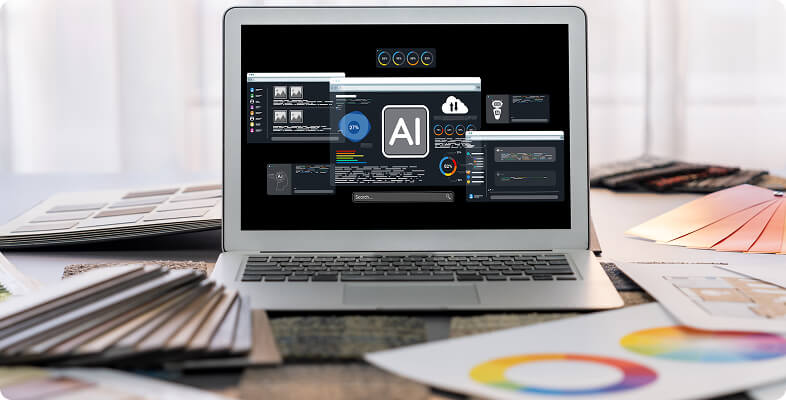
Creating exceptional modern web design is a journey that requires patience and strategic planning. To build digital experiences that truly resonate with users, designers must invest considerable time in research, prototyping, and iterative refinement. The process involves understanding user needs, testing interaction patterns, and polishing every detail.
Modern web design demands ongoing attention even after launch. User expectations evolve constantly, new devices emerge, and accessibility standards advance. Maintaining a contemporary digital presence means regularly updating layouts, refining interactions, and optimizing performance to keep pace with the rapidly changing web landscape and user behaviors.
Continuous improvement requires both time and financial investment. For small design studios and independent creators, allocating resources to refresh and enhance interfaces can strain budgets and compete with other business priorities.
2. Minimalism and White Space in Modern Layouts
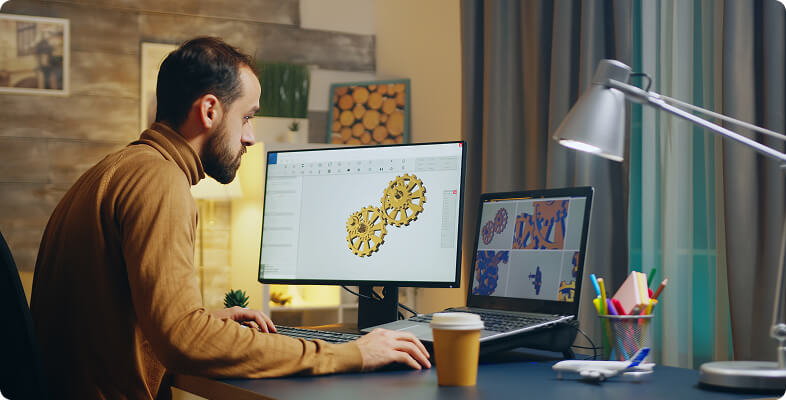
These resource decisions often mean choosing between immediate client work and long-term portfolio development. The trade-offs are real: investing in cutting-edge modern web design showcases your capabilities but may delay revenue-generating projects. Design trends shift quickly, requiring constant evaluation.
New layout techniques, interaction paradigms, and visual trends emerge regularly, challenging designers to keep their modern web design fresh and competitive. Each shift requires careful consideration—should you adopt new patterns immediately or maintain consistency? Balancing innovation with brand identity becomes an ongoing strategic decision.
Technology evolution impacts modern web design unpredictably. Today's cutting-edge CSS features or JavaScript frameworks may become standard tomorrow, while others fade into obsolescence. Designers must stay flexible, ready to adapt their approach as browser capabilities expand and new web standards emerge. This constant evolution shapes how we build and maintain contemporary digital experiences.
3. Bold Typography and Color Palettes Today

This unpredictability makes long-term planning challenging. Small agencies without dedicated development teams struggle to keep pace with major framework updates or emerging accessibility requirements. Organizations lacking resources to audit and refresh their modern web design regularly risk falling behind competitors who maintain current, polished interfaces that meet evolving user expectations and technical standards.
The modern web design landscape is intensely competitive, particularly in industries where digital presence defines brand perception. Designers compete for attention through exceptional visual work, innovative interactions, and seamless experiences. This competition drives demand for custom solutions, sophisticated animations, and unique interface patterns that differentiate your work.
As design standards rise across the industry, complexity increases proportionally. Creating modern web design that truly stands out requires substantial investment. Custom illustrations, advanced animation principles, responsive systems, and cohesive design tokens all demand significant time and expertise that accumulate quickly.
4. Mobile-First and Responsive Design Strategy
This investment can challenge freelancers and small agencies working within tight project budgets. Additionally, visually stunning modern web design doesn't automatically translate to user engagement or business results without strategic thinking.
Designers often find themselves continuously refining their modern web design to maintain competitive quality, which can strain available resources over time. Effective interfaces rely on user research, proven patterns, and intuitive navigation that guides visitors effortlessly.
The pressure for constant refinement can overwhelm designers lacking capacity or specialized expertise to produce consistently high-quality work. Modern web design that resonates requires balancing visual sophistication with functional clarity, ensuring aesthetics never compromise usability or accessibility.
5. Intuitive Navigation in
Success involves understanding your audience deeply, identifying emerging interaction trends, and consistently delivering compelling interface solutions. For designers without dedicated teams, this workload can lead to burnout or quality decline, ultimately affecting your modern web design's ability to engage users effectively through clear visual hierarchy and intuitive interactions.
Outsourcing to specialized design agencies or development partners is viable but adds expense to maintaining your modern web design. Technical implementation involves behind-the-scenes work ensuring optimal performance, cross-browser compatibility, and responsive behavior across diverse devices and screen sizes.
This includes asset optimization, ensuring fluid responsive layouts, and resolving rendering bugs that impact user experience. While essential, these tasks often require specialized technical knowledge that not every designer possesses internally.
6. Animations and Interactive User Experiences
Technical issues like slow page loads or broken mobile experiences seriously damage user satisfaction and brand perception. Addressing these problems typically requires development expertise, meaning hiring specialists or investing in training, adding to the operational costs of maintaining professional-grade modern web design.
Furthermore, optimization is never finished; it's an ongoing commitment. Regular monitoring, testing, and updates ensure your modern web design continues performing optimally as devices evolve and browser capabilities expand over time.
This constant vigilance adds another layer of responsibility for many designers. Local businesses need their modern web design to resonate authentically with customers in specific geographic markets and cultural contexts.
7. Accessibility in Contemporary Web Interfaces
However, creating modern web design for local audiences presents distinct challenges. It requires understanding regional preferences, cultural nuances, and local user behaviors that vary significantly across different markets. Implementing locally relevant design strategies involves incorporating regional aesthetics and culturally appropriate visual language, which demands research and customization.
Generic templates or inconsistent design approaches can undermine your modern web design's credibility and local appeal. Moreover, businesses in competitive local markets struggle to differentiate their interfaces from established regional competitors, making it difficult to capture attention and create memorable brand impressions that resonate locally.
Repetitive design patterns pose a critical concern when managing multiple projects; they create visual monotony and dilute brand impact. Ensuring each interface offers unique, purposeful innovation is essential but challenging, especially for prolific designers handling numerous projects with similar interaction concepts or visual frameworks.
8. Design Systems for Scalable Modern Sites
Repetitive modern web design can emerge unintentionally through relying on familiar patterns or framework defaults. Identifying and resolving these issues requires thorough design audits and organizational systems to maintain visual diversity and creative originality.
Managing design consistency properly is crucial, as excessive repetition bores users and weakens your modern web design's effectiveness. When interfaces repeat identical patterns or lack variety, the overall user experience suffers and designs fail to achieve engagement and conversion objectives.
Modern web design effectiveness is influenced by various external factors beyond direct control. These include competitor design strategies, shifting aesthetic trends, evolving user expectations, and advancing browser capabilities that change how people perceive and interact with digital interfaces.
9. User-Centered Research and Testing Methods
For instance, a competitor might launch superior modern web design that raises user expectations industry-wide. Alternatively, new browser features or interaction paradigms might emerge that fundamentally change how users expect to navigate and engage with digital content.
Choosing the right visuals for modern web design is essential for capturing attention and driving engagement. Thoughtful, purposeful imagery enhances usability, communicates brand identity clearly, and influences visitor behavior, making visual selection critical for effective digital experiences.
Effective modern web design demands strategic visual curation and careful optimization. Unlike generic stock libraries, sourcing cohesive, on-brand visuals requires planning, design expertise, and technical skill to ensure images load quickly while maintaining quality and supporting user goals.
10. Current Trends Shaping
Modern web design balances visual appeal with technical performance, creating interfaces that look stunning while loading quickly. Achieving this harmony requires careful attention to layout structure, typography choices, color systems, and interactive elements that respond fluidly across all devices and screen sizes.
Organizations must understand that creating effective modern web design is an ongoing journey requiring both creative vision and technical proficiency. Success demands knowledge of responsive frameworks, accessibility standards, performance optimization, and user-centered design principles to build experiences that engage visitors, reduce bounce rates, and drive meaningful conversions across every touchpoint.
This specialized combination of skills is rarely available within traditional business teams, making professional modern web design challenging for most organizations. The discipline merges user experience research, visual aesthetics, and front-end development knowledge strategically.
11. Prototyping Tools for Modern Workflows
For companies without these capabilities, partnering with experienced web designers or digital agencies becomes necessary, representing a significant investment. Additionally, evolving design trends and emerging web technologies require continuous learning and adaptation from teams managing modern web design initiatives.
Furthermore, modern web design must respect intellectual property and licensing requirements, avoiding unauthorized use of fonts, graphics, or code that risks legal consequences. Ethical design practices prioritize licensed assets, original creative work, and proper attribution for all elements used in interfaces.
While cutting corners on licensing may seem expedient initially, it ultimately creates legal exposure, cease-and-desist demands, and reputation damage that undermine long-term credibility and brand trust, even for smaller business websites.
12. Speed and Performance in Modern UI
Ethical modern web design requires greater upfront investment but ensures legal protection and authentic brand representation. Quality approaches demand custom design work or premium resources, which require more budget and strategic planning from the project outset.
Modern web design directly impacts performance metrics like page speed, user engagement, and conversion rates. However, these measurements not only guide optimization but also create tension between maintaining rich visual experiences and achieving technical performance benchmarks.
Excessive focus on minimalism can sometimes diminish visual impact and user delight. Technical decisions prioritizing speed alone may sacrifice the richness and personality effective interfaces create. Effective modern web design balances quantitative metrics like Core Web Vitals with qualitative assessments of brand expression and usability, ensuring both strong performance and compelling aesthetics that deliver measurable business results and memorable user experiences.
