
AI in marketing automation revolutionizes how businesses connect with their customers, streamlining processes and enhancing efficiency. By leveraging AI technologies, companies can analyze vast amounts of data to optimize their marketing efforts, leading to improved engagement and higher conversion rates. Discover how AI in marketing automation can enhance your strategies and drive results. One of the most significant applications of AI in marketing automation is audience segmentation. By utilizing advanced algorithms, businesses can identify and target specific demographics, ensuring their messages resonate with the right people. This precision not only enhances engagement but also maximizes ROI on marketing investments.
AI Technologies in Marketing Automation

Another key benefit of AI in marketing automation is the ability to streamline content creation. Automated tools can generate personalized content at scale, saving time and resources while maintaining quality and relevance for the target audience.
AI also plays a crucial role in analyzing visual marketing assets. By evaluating images and videos, businesses can gain insights into what resonates with their audience, allowing for more impactful visual strategies that drive engagement.
AI-driven recommendation systems enhance customer experiences by providing tailored product suggestions. These systems analyze past behaviors and preferences, helping businesses foster stronger connections with their customers.
Dynamic Content Personalization Engines

AI technologies enable marketers to monitor brand perception across various channels. By utilizing sentiment analysis, businesses can gain valuable insights into how their brand is viewed, allowing for timely adjustments to marketing strategies.
With AI, marketers can improve the accuracy of multi-touch conversion paths. By understanding how different interactions contribute to conversions, businesses can refine their strategies for better overall performance.
Dynamic pricing strategies powered by AI adjust prices based on real-time market demand. This flexibility allows businesses to maximize revenue while ensuring competitive pricing for customers.
Advanced Marketing Automation Platforms
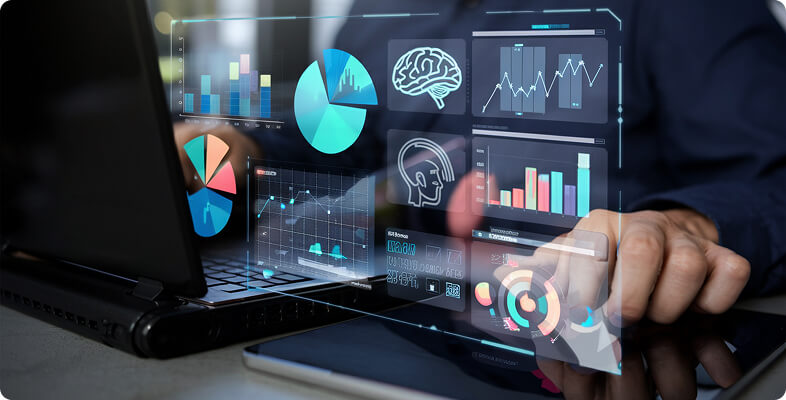
Conversational AI, such as chatbots, qualifies leads efficiently by engaging with potential customers in real-time. This technology enhances the lead generation process, allowing sales teams to focus on high-quality prospects.
AI-powered content generation tools significantly enhance marketing output by automating repetitive tasks. This efficiency allows teams to focus on strategy and creativity, improving overall productivity.
Using AI for audience segmentation allows marketers to create highly relevant campaigns. By understanding the nuances of different segments, businesses can tailor their messaging for maximum impact.
Behavioral Analysis and Customer Insights
AI optimizes marketing campaigns by automating adjustments based on performance data. This continuous optimization leads to improved results and ensures resources are allocated effectively.
Predictive modeling powered by AI enhances customer lifetime value forecasts. By analyzing historical data, businesses can anticipate future behaviors, allowing for more informed decision-making.
Behavioral analytics, facilitated by AI, helps identify early purchase intent signals. This insight enables marketers to engage potential customers at critical moments, increasing the likelihood of conversion.
ROI Tracking and Performance Optimization
AI in marketing automation streamlines repetitive tasks, freeing up valuable time for marketing teams. By automating mundane processes, businesses can focus on strategic initiatives that drive growth.
Data integration through AI enhances customer profiles by unifying information from various sources. This comprehensive view enables marketers to craft personalized experiences that resonate with their audience.
Real-time decisioning powered by AI personalizes customer experiences, ensuring timely and relevant interactions. This capability enhances customer satisfaction and loyalty, driving long-term success.
Content Creation with Natural Language Processing
AI in marketing automation is revolutionizing how brands connect with their consumers. By leveraging advanced algorithms, businesses can streamline their marketing processes, making them more efficient and effective. This technology enables precise audience targeting, allowing marketers to reach the right people at the right time, ultimately enhancing engagement and driving conversions.
The integration of AI in marketing automation offers numerous advantages. For instance, automated content generation can save time and resources while maintaining high-quality output. Additionally, AI can analyze consumer behavior patterns, providing insights that help refine marketing strategies and improve overall performance.
One of the key applications of AI in marketing automation is the ability to assess visual assets. AI tools can evaluate the effectiveness of images and videos, ensuring that marketing materials resonate with audiences. This analysis helps brands optimize their visual content for better engagement and higher conversion rates.
Chatbot Technology and Conversational AI
AI-driven recommendation systems are transforming the customer experience by personalizing product suggestions. These systems analyze user data and preferences, offering tailored recommendations that enhance user satisfaction and drive sales. This level of personalization fosters deeper connections between brands and consumers.
Tracking brand perception is crucial for any business, and AI plays a significant role in this process. Through sentiment analysis, AI tools can monitor social media and online conversations, providing insights into how a brand is perceived across various channels. This information is vital for adjusting marketing strategies and maintaining a positive brand image.
Accurate multi-touch conversion path tracking is essential for understanding marketing effectiveness. AI enhances attribution modeling, allowing businesses to identify which channels and touchpoints contribute most to conversions. This insight helps marketers allocate resources more effectively and improve ROI.
Audience Segmentation through Machine Learning
Dynamic pricing is another area where AI excels. By analyzing market demand in real-time, AI can adjust pricing strategies to maximize revenue opportunities. This approach not only boosts profitability but also ensures competitive pricing in a fast-paced market.
Conversational AI, particularly through chatbots, is streamlining lead qualification processes. These intelligent systems can engage with potential customers, answering questions and gathering information to determine their readiness to purchase. This automation frees up time for marketing teams to focus on higher-level strategies.
AI-powered content generation is enhancing marketing output by automating repetitive tasks. This technology allows marketers to produce high-quality content quickly, ensuring they can keep up with the demands of their campaigns without sacrificing quality or creativity.
Real-Time Optimization for Campaigns
Audience segmentation is crucial for campaign relevance, and AI simplifies this process. By analyzing data, AI can identify distinct audience segments, allowing marketers to tailor their messaging and offerings to meet the specific needs of each group. This targeted approach enhances engagement and boosts conversion rates.
AI optimizes marketing campaigns by automating various processes, from A/B testing to performance analysis. This automation not only saves time but also ensures that campaigns are continuously refined for better results, ultimately maximizing ROI.
Predictive modeling is a powerful tool for forecasting customer lifetime value. By leveraging historical data, AI can predict future behavior, helping marketers make informed decisions about resource allocation and strategy development. This foresight is essential for long-term success.
Journey Mapping and Attribution Modeling
Understanding early purchase intent is key to effective marketing, and AI's behavioral analytics can identify these signals. By analyzing customer interactions, AI can pinpoint when consumers are most likely to buy, enabling marketers to tailor their approach accordingly.
Marketing automation significantly streamlines repetitive tasks, allowing teams to focus on strategic initiatives. By automating processes such as email marketing and social media posting, businesses can improve efficiency and ensure consistent messaging across channels. Discover AI Solutions Data integration enhances customer profiles by unifying information from various platforms. This comprehensive view allows marketers to better understand their customers and create more effective marketing strategies that resonate with their target audience.
Real-time decisioning is a game-changer for personalizing customer experiences. By utilizing live data, brands can tailor their interactions based on current consumer behavior, ensuring that each engagement is relevant and impactful.
Social Listening and Sentiment Analysis
AI can assist in customer journey mapping by identifying conversion bottlenecks. By analyzing customer interactions at every stage, businesses can pinpoint obstacles and make necessary adjustments to improve the overall experience.
Performance forecasting is essential for predicting campaign outcomes. AI can analyze past performance data to provide insights that inform future marketing efforts, helping businesses plan effectively and achieve their goals.
AI in marketing automation revolutionizes how businesses engage with their customers. By leveraging advanced algorithms, companies can enhance their marketing efforts through precise targeting, personalized messaging, and automated workflows. This technology streamlines processes, allowing for efficient resource allocation and improved campaign performance. With AI, marketers can analyze large datasets to identify trends, optimize strategies, and predict customer behavior, ultimately driving better results and higher ROI.
Product Discovery with Recommendation Systems
Integrating AI technologies into marketing automation provides significant benefits. For instance, AI can enhance audience segmentation, allowing businesses to tailor their messaging to specific groups. This targeted approach leads to more relevant communications and increased engagement. Moreover, AI-driven insights help marketers understand customer preferences, enabling the creation of content that resonates. Automation tools powered by AI also simplify repetitive tasks, freeing up time for strategic planning and creative work.
AI applications in marketing automation are diverse and impactful. For example, chatbots utilize AI to interact with customers in real time, qualifying leads and answering queries effectively. Additionally, AI can analyze visual marketing assets, improving the performance of campaigns by determining which images or videos resonate best with audiences. This analysis ensures that marketing materials are not only appealing but also strategically aligned with customer expectations.
The use of AI-driven recommendation systems allows businesses to personalize their marketing efforts significantly. By analyzing past behaviors and preferences, these systems can suggest products or services tailored to individual customers, enhancing their shopping experience. Furthermore, AI facilitates dynamic pricing strategies that adjust based on market demand, ensuring competitive pricing while maximizing profitability. This level of responsiveness is crucial in today’s fast-paced market.
Automated Budget Allocation and Bidding
AI in marketing automation also plays a vital role in tracking brand perception across various channels. Through sentiment analysis, businesses can gauge how their brand is viewed and adjust their strategies accordingly. This proactive approach helps maintain a positive brand image and address any issues before they escalate. Additionally, AI can enhance the accuracy of multi-touch conversion paths, providing insights into how different marketing touchpoints contribute to conversions.
With AI, marketers can streamline repetitive tasks, such as email marketing or social media posting, through automation tools. This efficiency not only saves time but also ensures consistency in messaging across platforms. Moreover, AI enhances data integration, allowing businesses to create unified customer profiles that provide a holistic view of interactions. This comprehensive understanding is essential for crafting effective marketing strategies that resonate with customers.
Real-time decision-making powered by AI enables businesses to personalize customer experiences effectively. By analyzing data as it comes in, brands can adjust their marketing tactics on the fly, ensuring that they meet the immediate needs of their customers. Additionally, AI can assist in customer journey mapping, identifying conversion bottlenecks and suggesting improvements to enhance the overall experience. This analytical capability is crucial for driving successful marketing outcomes.
SEO Intelligence and Content Generation
Performance forecasting is another critical application of AI in marketing automation. By utilizing predictive modeling, businesses can anticipate campaign outcomes and adjust their strategies accordingly. This foresight allows for better resource allocation and campaign design, ultimately leading to improved results. AI-driven insights into customer behavior also help identify early purchase intent, enabling timely marketing interventions that can significantly boost conversion rates.
Intelligent bidding strategies powered by AI maximize ad spend efficiency. By analyzing performance data, AI can determine the optimal bidding amounts for various channels, ensuring that marketing budgets are used most effectively. This strategic approach not only enhances visibility but also improves the chances of reaching the right audience at the right time. As a result, businesses can achieve better ROI on their advertising efforts.
Partnering with BrandStory opens the door to innovative AI marketing automation solutions tailored to your needs. Our expertise in integrating AI technologies into marketing strategies ensures that your business can leverage these tools for maximum impact. From automating mundane tasks to providing deep insights into customer behavior, we help you navigate the complexities of modern marketing. Let us assist you in transforming your operations and enhancing customer engagement through AI.
