
AI anime video generation combines cutting-edge machine learning with artistic animation principles to produce stunning visual content. At its core, the technology uses deep neural networks trained on vast datasets of anime frames, character designs, and motion sequences. These models learn the distinctive visual language of anime—from exaggerated expressions and dynamic action lines to signature color palettes and stylized proportions. When you input a text prompt or reference image, the AI processes your creative direction through multiple layers of understanding: it interprets narrative elements, visual style preferences, character attributes, and scene composition requirements. The system then generates keyframes that capture essential moments in your sequence, applying anime-specific rendering techniques like cel-shading, motion blur effects, and dramatic lighting. Advanced interpolation algorithms fill the gaps between keyframes, creating smooth motion that maintains stylistic consistency. Modern AI anime video tools employ diffusion models that iteratively refine each frame, starting from noise and progressively shaping it into coherent imagery that matches your specifications. The rendering pipeline handles complex tasks like maintaining character consistency across frames, generating appropriate background elements, and ensuring temporal coherence so movements flow naturally. Some platforms integrate style transfer capabilities, allowing you to apply the aesthetic of specific anime genres or studios to your footage. The technology also supports hybrid workflows where AI handles time-intensive tasks like in-betweening and background generation while creators retain control over key artistic decisions. Real-time preview features let you iterate quickly, adjusting prompts and parameters until the output matches your vision. As these systems continue learning from new data, they become increasingly adept at capturing nuanced anime conventions—from subtle emotional expressions to elaborate action choreography—making professional-quality anime video creation accessible to creators at every skill level.
Text-to-Video Generation
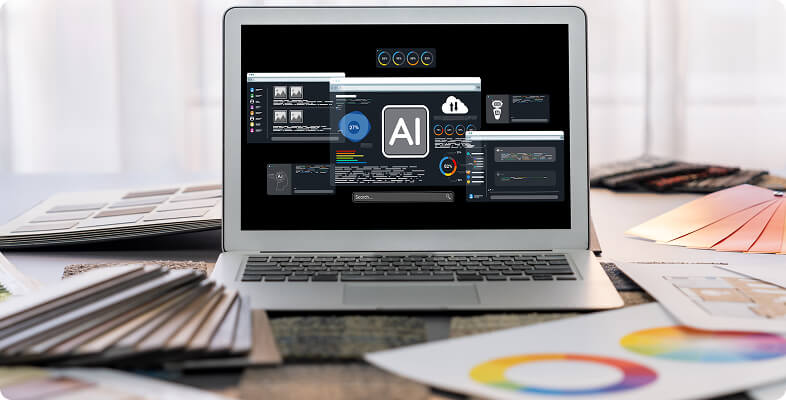
AI anime video generation relies on deep learning models trained on thousands of anime frames and sequences. These neural networks learn visual patterns, character movement, and anime-specific art styles. When you input a text prompt or reference image, the model generates frames that match anime aesthetics. The system uses diffusion processes to refine each frame, ensuring smooth motion and consistent character design. Modern tools combine text-to-video synthesis with style transfer algorithms, allowing creators to produce anime sequences without manual drawing.
Content creators gain significant advantages by adopting AI anime video tools. Production time drops from weeks to hours, making rapid iteration possible. You no longer need advanced animation skills to bring anime concepts to life. AI handles tedious tasks like in-betweening and background rendering, freeing you to focus on storytelling and creative direction. Cost savings are substantial compared to hiring full animation teams. Experimentation becomes risk-free—test multiple visual styles, character designs, and narrative approaches without wasting resources or time.
Customization options in AI anime video platforms are extensive. You control character appearance through detailed prompts: hairstyle, clothing, facial features, and body proportions. Art style parameters let you choose between shonen, shojo, or seinen aesthetics. Motion settings adjust animation speed, camera angles, and scene transitions. Many tools offer fine-tuning controls for color palettes, lighting mood, and special effects. Advanced users can train models on specific reference material to achieve unique visual signatures.
Character Animation Automation
Traditional anime production involves hand-drawing thousands of frames, a process that can take months for a single episode. AI anime video tools compress this timeline dramatically. A creator can generate a complete scene in minutes, with consistent character rendering and fluid motion. Quality has improved rapidly—modern AI outputs rival studio animation in visual fidelity. The technology excels at maintaining style consistency across scenes, eliminating the variation that plagues manual workflows.
AI anime video tools offer creators multiple productivity and creative benefits. Rapid prototyping lets you visualize storyboards as full motion sequences instantly. Style consistency engines ensure characters look identical across every frame and scene. Scene generation from text descriptions eliminates the need for manual layout work. Iteration speed increases tenfold—test narrative variations, adjust pacing, or refine visual details in real time. These advantages transform anime video production from a resource-intensive endeavor into an accessible creative medium.
AI platforms analyze your input prompts and reference images to suggest complementary visual elements. The system recommends character designs that match your narrative tone, color schemes that enhance mood, and animation techniques suited to your content type. Machine learning algorithms identify patterns in successful anime videos and apply those insights to your project. Some tools offer style libraries where you can browse and select from pre-trained aesthetic templates, streamlining the creative decision process.
Style Transfer Techniques

AI anime video creation serves diverse content needs across industries. Music video producers use it to craft animated narratives that sync with audio tracks. Social media creators generate short-form anime clips optimized for platforms like TikTok and Instagram. Storytellers develop full narrative episodes without traditional production budgets. Commercial animators produce advertising content with anime aesthetics at competitive rates. Experimental artists push creative boundaries, blending anime styles with surreal or abstract visual concepts that would be impractical to animate manually.
Scaling anime video output becomes straightforward with AI automation. Batch processing features let you generate multiple scenes or episodes simultaneously. Template systems allow you to define character models, backgrounds, and motion patterns once, then reuse them across projects. Workflow automation tools chain together prompt generation, rendering, and export steps without manual intervention. Creators can maintain consistent output quality while dramatically increasing volume.
AI enhances anime video storytelling through dynamic visual techniques. Automated camera movements add cinematic depth—panning, zooming, and tracking shots that emphasize narrative beats. Special effects generators create particle systems, magical auras, and action sequences that would require specialized skills manually. Character rendering engines maintain facial expressions and body language consistency, strengthening emotional impact. The technology enables visual complexity that elevates narrative engagement without proportional increases in production effort.
Scene Composition Tools
AI anime video generation encompasses several core technologies. Text-to-video models convert written descriptions into animated sequences. Image-to-video systems animate static character art or storyboard frames. Style transfer algorithms apply anime aesthetics to existing footage or 3D renders. Each approach uses neural networks trained on anime datasets to understand visual conventions, motion patterns, and artistic styles unique to the medium.
AI-generated anime content performs exceptionally well on social platforms. The distinctive visual style captures attention in crowded feeds. Audiences respond positively to fresh anime content, driving higher engagement rates than generic video formats. Creators can produce platform-optimized content rapidly, maintaining consistent posting schedules that algorithms favor. The novelty of AI anime video attracts curious viewers, expanding reach beyond traditional anime fan communities.
Key terms in AI anime video production include diffusion models, which generate images through iterative refinement. Keyframes are anchor points that define major poses or scene changes. Interpolation fills motion between keyframes. Style transfer applies anime aesthetics to input material. Prompt engineering crafts text descriptions that yield desired visual results. Rendering converts model outputs into final video files.
Motion Synthesis for Anime Videos
AI impacts anime video aesthetics in nuanced ways. Visual quality now approaches professional studio standards, with clean linework and vibrant colors. Style fidelity depends on model training—well-trained systems capture subtle anime conventions like exaggerated expressions and dynamic action lines. Artistic control varies by platform; advanced tools offer granular parameter adjustment. Maintaining anime-specific visual language requires understanding how to guide AI models through effective prompting and reference selection.
AI technology powers multiple anime video creation tasks. In-betweening generates smooth motion frames between keyframes. Background generation creates detailed environmental art from text descriptions. Character animation automates movement, expressions, and lip-sync. Scene composition arranges visual elements according to cinematic principles. These functions reduce manual labor while maintaining creative quality standards.
Understanding AI anime video tools provides competitive advantages in the evolving content landscape. Creators who master these technologies produce more content at lower cost, capturing market share. Industry trends point toward increased AI adoption across animation studios and independent creators. Future-proofing creative skills means learning prompt engineering, model selection, and hybrid workflows that combine AI efficiency with human artistic judgment.
Background Generation
AI anime video creation approaches vary by content type. Short-form social content prioritizes rapid generation and eye-catching visuals optimized for mobile viewing. Music videos require precise audio-visual synchronization and narrative coherence across longer durations. Narrative storytelling demands consistent character rendering and emotional depth. Commercial projects balance brand guidelines with anime aesthetics. Each format requires different prompt strategies, model settings, and post-production techniques.
AI's role in anime production has evolved significantly over the past decade. Early automation tools handled simple tasks like coloring and compositing. Recent generative AI models create complete scenes from text prompts, fundamentally changing production workflows. This progression mirrors broader machine learning advances—larger datasets, more sophisticated neural architectures, and increased computational power. The impact extends beyond efficiency; AI democratizes anime creation, enabling independent creators to produce content previously requiring studio resources.
Implementing AI anime video best practices starts with clear prompt crafting—specific descriptions yield better results than vague requests. Experiment with multiple models to find tools suited to your visual style preferences. Quality control involves reviewing outputs frame-by-frame, refining prompts based on results. Iteration strategies include generating variations of promising concepts, then combining the strongest elements. Maintain reference libraries of successful prompts and settings. Balance AI automation with manual editing where human judgment adds value, creating hybrid workflows that leverage both efficiency and artistic nuance.
Frame Interpolation for Smooth Animation
AI anime video generation relies on deep learning models trained on thousands of anime frames and sequences. Neural networks analyze visual patterns, character designs, motion dynamics, and color palettes unique to anime aesthetics. Text-to-video models interpret your prompts and synthesize new frames that match anime art styles. The rendering pipeline processes keyframes, interpolates smooth motion between them, and applies style transfer filters to maintain consistent visual language throughout your video.
Creators gain significant time savings compared to traditional frame-by-frame animation workflows. AI tools reduce production costs by automating labor-intensive tasks like in-betweening and background rendering. Non-animators can now produce professional-quality anime videos without years of drawing training. You can experiment with multiple visual styles and narrative approaches rapidly. AI anime video platforms democratize access to animation, letting storytellers focus on creative vision rather than technical execution.
Modern AI anime video tools offer extensive customization controls for character appearance, clothing, facial features, and body proportions. You can adjust art style parameters to match specific anime genres—from shonen action to slice-of-life aesthetics. Motion settings let you control animation speed, camera angles, and scene transitions. Narrative control comes through prompt engineering, storyboard uploads, and keyframe editing. Many platforms support style reference images, letting you guide the AI toward your exact creative vision while maintaining anime visual conventions.
Lip-Sync Automation
Traditional anime production requires teams of animators working weeks or months to complete short sequences. AI-assisted workflows compress that timeline to hours or days for comparable output length. Frame interpolation algorithms generate smooth motion between keyframes automatically, eliminating manual in-betweening labor. Quality has improved dramatically as generative models train on larger datasets and incorporate feedback loops. Modern AI anime video tools produce broadcast-ready resolution with consistent character designs across scenes, though human review remains essential for narrative coherence and emotional nuance.
Rapid prototyping lets you test multiple concepts before committing resources. Style consistency ensures characters and backgrounds maintain visual coherence across all scenes. Scene generation automates complex compositions that would take hours to draw manually. Iteration speed allows quick refinements based on feedback or creative pivots.
AI platforms analyze your input prompts and reference images to identify visual style preferences, character archetypes, and thematic elements. Recommendation engines suggest complementary color palettes, animation techniques, and scene compositions drawn from their training data. Some tools offer preset style templates based on popular anime genres—mecha, magical girl, cyberpunk—that you can apply with one click. Advanced systems learn from your editing choices and refine future suggestions to match your creative preferences over time.
Visual Effects Integration
Music video production benefits from AI's ability to sync animation to audio beats and tempo. Social media creators use AI anime video tools to produce eye-catching short-form content quickly. Storytellers prototype narrative concepts and character designs before committing to full production. Commercial animation teams accelerate client projects with AI-generated drafts and style explorations.
Batch processing capabilities let you generate multiple video variations from a single prompt set, testing different visual styles or narrative angles simultaneously. Template systems allow you to create reusable frameworks for recurring content types—episode intros, transitions, character reactions. Workflow automation tools chain together prompt generation, rendering, and post-processing steps, reducing manual intervention. You can scale from producing one video per week to dozens per day while maintaining quality standards, especially valuable for social media content calendars and serialized storytelling.
AI enhances storytelling through dynamic camera movements that would require complex rigging in traditional animation—sweeping pans, dramatic zooms, rotating perspectives. Special effects like particle systems, lighting flares, and atmospheric elements generate automatically based on scene context. Consistent character rendering across hundreds of frames eliminates the visual drift common in hand-drawn animation, keeping viewers immersed in your narrative. Motion synthesis creates fluid action sequences and subtle character expressions that convey emotion effectively. These technical enhancements let creators focus on narrative pacing and emotional beats rather than technical execution challenges.
Color Grading AI
Text-to-video AI interprets written descriptions and generates anime sequences from scratch, ideal for rapid concept exploration. Image-to-video technology animates static character designs or background art you provide, maintaining your original visual style. Style transfer algorithms apply anime aesthetics to existing video footage, converting live-action or 3D renders into hand-drawn anime looks. Diffusion models gradually refine random noise into coherent anime frames guided by your prompts, while keyframe systems let you define critical moments and let AI interpolate smooth motion between them.
AI-generated anime content performs exceptionally well on visual-first platforms like TikTok, Instagram Reels, and YouTube Shorts. The distinctive anime aesthetic captures attention in crowded social feeds, driving higher view-through rates. Rapid production cycles let you respond to trends and audience feedback quickly, maintaining relevance and momentum.
Diffusion models are neural networks that generate images by reversing a noise-addition process, creating anime frames from text descriptions. Keyframes are critical poses or moments you define manually that anchor your animation sequence. Interpolation fills motion gaps between keyframes automatically, creating smooth transitions. Style transfer applies anime visual characteristics to source material. Prompt engineering is the craft of writing effective text descriptions that guide AI toward your desired output. Rendering converts AI-generated data into final video files ready for distribution.
Storyboard-to-Video Conversion
AI anime video generation maintains core anime visual language—large expressive eyes, dynamic hair movement, speed lines, dramatic lighting—but introduces new aesthetic possibilities. Style fidelity varies by model training data; some excel at specific genres like mecha or magical girl while others offer broader versatility. Artistic control has expanded through layered prompting, style reference uploads, and parameter tuning, though achieving precise vision still requires iteration. The technology respects anime's cultural visual conventions while enabling hybrid styles that blend traditional anime with other art movements, opening creative territory unavailable to manual animators.
In-betweening automation generates intermediate frames between your keyframes, eliminating tedious manual drawing. Background generation creates detailed environments from text descriptions or rough sketches. Character animation systems handle walk cycles, facial expressions, and body language automatically. Lip-sync tools match mouth movements to dialogue audio tracks. Scene composition arranges characters, props, and backgrounds into balanced frames following anime staging conventions.
Understanding AI anime video tools provides competitive advantages as the animation industry adopts these technologies rapidly. Creators who master prompt engineering and AI workflows can produce more content with smaller teams and budgets. Industry trends show increasing client demand for fast turnaround and style experimentation that AI enables. Future-proofing your creative skills means learning to direct AI tools effectively, combining human artistic vision with machine efficiency. Early adopters gain experience and portfolio advantages while the field remains relatively open.
Real-Time Rendering
Short-form social content prioritizes punchy visuals and rapid pacing, often generated in minutes for daily posting schedules. Music videos require precise audio-visual synchronization and sustained visual intensity across three to five minutes. Narrative storytelling demands character consistency, emotional nuance, and scene-to-scene continuity that requires careful prompt sequencing.
Early anime production automation focused on digital coloring and compositing in the 1990s, reducing manual cel painting labor. Motion capture integration in the 2000s brought realistic character movement to 3D anime hybrids. Machine learning style transfer emerged around 2015, letting creators apply anime aesthetics to photographs and video. Generative adversarial networks advanced in 2018-2020, producing original anime character designs and scenes. Modern diffusion models since 2022 enable full text-to-video anime generation, transforming the creative process fundamentally and making animation accessible to independent creators worldwide.
Start with clear, detailed prompts that specify character appearance, setting, mood, and action—vague descriptions yield inconsistent results. Craft prompts using anime-specific vocabulary: chibi, bishounen, mecha, isekai, sakuga. Quality control requires reviewing every generated frame for visual artifacts, character drift, and narrative coherence before export. Iteration strategies include generating multiple variations, selecting the best outputs, and refining prompts based on what worked. Maintain a prompt library of successful descriptions for reuse and adaptation across projects.
Batch Processing Workflows
AI anime video generation uses deep learning models trained on thousands of anime frames to create new animated content. These neural networks learn visual patterns, character designs, and motion styles unique to anime. When you input a text prompt or reference image, the AI processes it through diffusion models that gradually build frames from noise into coherent anime visuals. The system analyzes composition, color palettes, and movement dynamics to maintain anime's distinctive aesthetic. Modern tools can generate short clips, interpolate between keyframes, or transform static images into animated sequences.
Content creators gain significant advantages with AI anime video tools. Production time drops from weeks to hours, making animation accessible without traditional drawing skills. You can experiment with multiple visual styles, test story concepts quickly, and iterate on character designs at no extra cost. AI handles tedious tasks like in-betweening and background generation.
AI anime video platforms offer extensive customization controls. You can adjust character features, clothing, hair styles, and facial expressions through detailed text prompts. Style parameters let you choose between different anime aesthetics—shonen action, slice-of-life softness, or cyberpunk intensity. Motion settings control animation speed, camera angles, and scene transitions. Many tools support reference images to guide character consistency across scenes.
Quality Enhancement Filters
Traditional anime production requires teams of artists spending months on frame-by-frame animation. AI anime video tools compress this timeline dramatically—generating 10-second clips in minutes instead of days. The technology automates repetitive tasks like coloring, shading, and motion tweening while maintaining visual consistency. Quality has improved rapidly; recent models produce smooth motion, detailed backgrounds, and character expressions that rival studio work. Creators can focus energy on storytelling and creative direction rather than technical execution.
AI anime video tools deliver rapid prototyping for concept testing and storyboard visualization. They maintain style consistency across multiple scenes, ensuring characters and environments look uniform throughout your project. Scene generation happens automatically from text descriptions, eliminating manual background painting. Iteration speed lets you test different visual approaches, refine animations, and adjust pacing without restarting from scratch. These advantages make AI essential for solo creators and small teams producing anime content.
AI platforms analyze your input prompts and reference materials to suggest complementary visual styles and animation techniques. When you describe a character or scene, the system recommends anime art styles that match your narrative tone—whether dramatic, comedic, or atmospheric. These tools learn from vast libraries of anime content, identifying patterns in color grading, lighting setups, and camera movements common to specific genres. Some platforms offer style transfer, letting you apply the visual aesthetic of one anime to your original content. Recommendation engines help creators discover animation techniques they might not have considered, expanding creative possibilities. Advanced systems can suggest character design variations, propose scene compositions, and recommend transition effects that enhance storytelling flow. This guidance accelerates the creative process, especially for animators new to AI anime video production.
