
Creating effective 3D web design involves navigating challenges that many designers underestimate. The first obstacle is balancing visual depth with performance—crafting immersive three-dimensional experiences that captivate while maintaining fast load times and smooth interactions. Successful 3D web design requires careful attention to polygon counts, texture optimization, lighting systems, and spatial composition that conveys brand messages through dimensional storytelling. This demands both technical expertise and creative vision. Browser compatibility adds another layer: ensuring your 3D elements render consistently across devices, browsers, and hardware capabilities without sacrificing visual quality. Models optimized for high-end desktops may lag or fail entirely on mobile devices. Strong 3D implementations must balance visual ambition with accessibility across different platforms and user contexts. Standing out in evolving digital markets grows harder as three-dimensional standards advance rapidly. This increases demand for distinctive spatial experiences, custom 3D assets, and memorable interactive elements if you want your site to truly resonate with audiences. For those entering, recognizing these challenges early helps set realistic project expectations and build sustainable workflows. Throughout this guide, we'll examine these obstacles closely and share actionable strategies to help you plan, execute, and maintain exceptional dimensional experiences.
Foundations of 3D
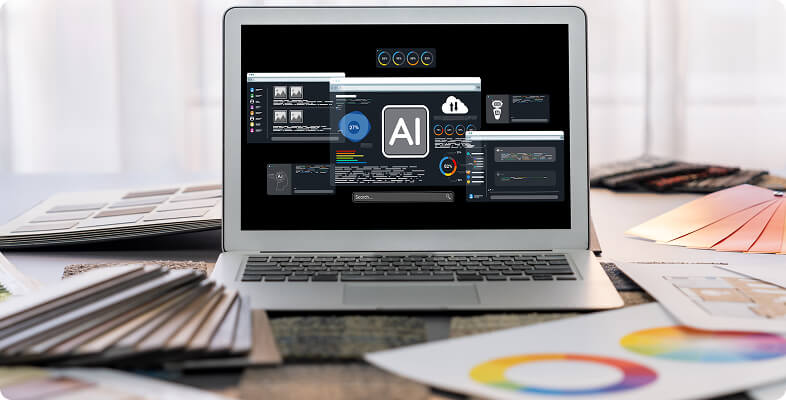
Developing compelling 3D web design is never instantaneous. To achieve authentic dimensional impact and memorable immersive experiences, you must invest considerable time and technical energy. Building polished 3D elements involves extensive modeling, texturing, optimization, performance testing, and refinement that can span weeks or even months.
These technical tasks demand ongoing attention during production and beyond launch. Even after your 3D web design goes live, the work doesn't stop. Regular performance updates, compatibility enhancements, and asset refinements become necessary as WebGL standards evolve, browser capabilities advance, and user hardware preferences shift across digital platforms.
The demand for continuous optimization and dimensional evolution can strain both time and budget. For freelance designers and small studios producing 3D experiences, limited resources may mean that investing in dimensional improvements could
Visual Depth and Spatial Layout in
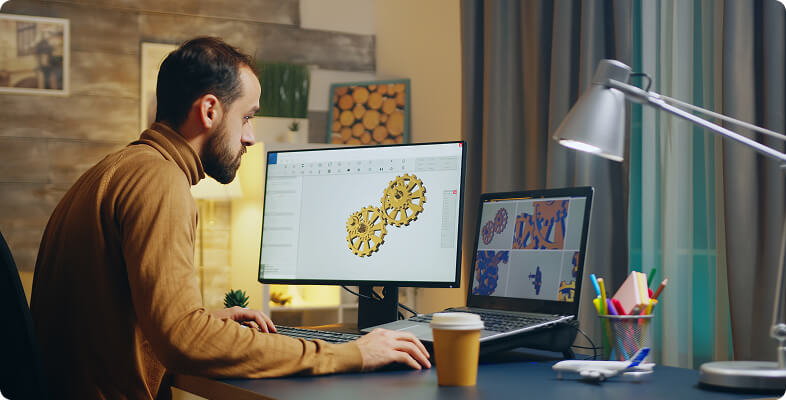
pull focus from other essential priorities like client deliverables or business growth. These compromises often require sacrificing immediate billable hours for the long-term value of showcasing exceptional 3D web design in your creative portfolio. Three-dimensional trends shift constantly.
New rendering techniques, shader effects, and interaction patterns emerge frequently, making it challenging to keep 3D web design fresh and relevant. Each technology cycle forces creators to assess whether dimensional updates are warranted and how to implement them without compromising performance or diluting established visual identity.
Technology evolution is unpredictable and impacts 3D web design to varying extents. What appears cutting-edge today may require significant technical overhaul tomorrow as new rendering standards take hold. This means designers must stay agile and ready to adapt their 3D web design approach as browser capabilities shift and new creative possibilities emerge through evolving frameworks and WebGL advancements.
Color, Lighting, and Material Choices in 3D

This unpredictability makes guaranteeing long-term technical relevance difficult and complicates strategic planning. Small agencies without dedicated 3D specialists struggle to manage major framework migrations or performance optimization updates. These organizations may lack resources to continuously audit and refine their 3D web design, leaving them with outdated rendering methods and sluggish experiences that diminish user trust and fall behind competitors who maintain current, optimized dimensional implementations.
The 3D web design landscape is intensely competitive, particularly in creative industries where designers vie for recognition through outstanding dimensional work. This competition drives up the need for truly original spatial concepts, custom models, refined lighting details, and innovative interaction patterns needed to distinguish your 3D web design from countless other immersive digital experiences.
As dimensional expectations rise, complexity increases proportionally. The investment required to produce 3D web design that genuinely stands out is considerable. Custom character models, advanced shader techniques, physics simulations, responsive spatial systems, and cohesive asset libraries all demand significant time commitments that accumulate rapidly.
Designing 3D Experiences for All Devices
This proves particularly challenging for independent designers and boutique agencies working within tight project budgets. Moreover, having visually stunning 3D web design doesn't automatically translate to audience engagement or commercial success.
Designers often find themselves continuously refining their 3D web design to sustain competitive dimensional quality, which can deplete resources over time. Effective 3D web design depends heavily on audience research, strategic spatial choices, and models that communicate messages clearly.
The pressure for constant innovation and updates can overwhelm designers lacking capacity or expertise to produce exceptional work consistently. Creating 3D web design that connects with audiences while maintaining clarity requires balancing artistic expression with strategic communication goals.
Crafting Intuitive 3D Navigation Interfaces
It involves understanding your target market, identifying emerging dimensional trends, and consistently conceptualizing and delivering compelling spatial solutions. For designers without dedicated support teams, this can result in creative fatigue or declining output quality, ultimately undermining the 3D web design's ability to engage audiences and communicate brand values effectively through immersive storytelling.
Outsourcing to specialized 3D agencies or creative studios remains an option but introduces additional costs to the overall investment in maintaining your dimensional experiences. Technical dimensions of 3D web design involve behind-the-scenes optimization to ensure fast loading and cross-platform compatibility.
This includes compressing model files, ensuring responsive scaling, and fixing rendering issues that can degrade visual quality. While crucial, these tasks often demand specialized technical skills that not every designer possesses internally.
Adding Animation and Interactive 3D Elements
Technical problems like slow model loading or broken responsive rendering can severely damage user experience and brand perception. Resolving these issues typically requires development knowledge, meaning hiring external experts or investing in training, which adds to the operational costs of managing your 3D web design.
Furthermore, optimization is continuous; it's never truly finished. It demands regular performance monitoring, testing, and refinements to ensure your 3D web design keeps performing optimally as devices and browser technologies advance.
This ongoing vigilance makes dimensional asset management an added responsibility for many designers. Local businesses require their 3D web design to authentically connect with customers in specific geographic areas.
Inclusive 3D Design and Accessibility
However, creating 3D web design for local markets presents distinct challenges. It requires understanding regional aesthetic preferences and cultural sensibilities, which can differ dramatically across locations. Implementing locally resonant dimensional strategies involves incorporating regional architectural styles and culturally appropriate spatial metaphors, which can be labor-intensive.
Generic template models or inconsistent dimensional branding can undermine your 3D web design's authenticity and local relevance. Additionally, businesses in crowded local markets may find it difficult to differentiate their 3D web design from established regional competitors, making it harder to capture local customer attention and build memorable brand recognition.
Repetitive spatial patterns pose a significant risk when managing 3D web design; they can create visual fatigue and weaken your brand differentiation. Ensuring each dimensional asset offers unique, purposeful creativity is vital but difficult, especially for prolific designers managing multiple projects with overlapping spatial themes or stylistic approaches.
Building Consistent 3D Design Frameworks
Repetitive 3D web design can emerge unintentionally through overreliance on template models or stock asset libraries. Detecting and correcting these issues requires comprehensive spatial audits and organizational workflows to preserve dimensional variety and creative originality.
Maintaining spatial diversity properly is essential, as repetition can disengage users and diminish your 3D web design's impact. When models repeat similar compositions or lack creative variation, the overall brand experience weakens and the design fails to achieve its communication and engagement objectives.
3D web design performance can be influenced by numerous external factors outside direct control. These include competitor dimensional strategies, shifts in rendering trends, changes in audience expectations, and evolving hardware technologies that affect how people perceive and respond to immersive content.
User Testing and 3D Experience Validation
For example, a competitor might introduce superior 3D web design that elevates audience expectations. Alternatively, new GPU technologies or rendering formats might emerge that transform how users consume and interact with dimensional content online.
Selecting appropriate models for 3D web design is fundamental for capturing attention and driving user action. Strategic, purposeful dimensional elements strengthen communication, reinforce brand identity clearly, and shape visitor behavior, making spatial selection critical for successful digital experiences.
Effective 3D web design requires strategic spatial planning and meticulous optimization. Unlike generic template libraries, sourcing cohesive, brand-aligned dimensional assets demands planning, creative expertise, and technical proficiency to ensure models load efficiently while preserving visual fidelity and supporting communication objectives.
Current Trends in 3D
3D web design merges artistic creativity with cutting-edge technology, requiring designers to balance immersive visual experiences with performance optimization. Achieving this balance demands expertise in 3D modeling software, WebGL rendering, texture compression, and responsive scaling, ensuring every three-dimensional element enriches rather than slows the user experience across all devices and browsers.
Successful 3D web design requires close collaboration between creative artists and developers who understand Three.js libraries, GPU acceleration, progressive loading, and spatial interaction patterns. Mastering GLTF file formats, polygon optimization, shader techniques, and depth perception principles ensures websites remain both visually stunning and fast-loading, guiding visitors through immersive brand experiences while maintaining accessibility standards and conversion-focused design.
This rare blend of spatial design thinking and technical engineering is challenging to find in traditional web teams. 3D web design combines modeling expertise, lighting theory, animation principles, and real-time rendering optimization into cohesive digital experiences that captivate modern audiences.
Tools for 3D Prototyping and Development
Organizations lacking in-house 3D web design capabilities often partner with specialized studios or experienced freelancers, representing a significant investment. Staying current with evolving WebGL standards, AR integration opportunities, and emerging tools like Spline and Blender for web demands continuous learning and portfolio development across multiple disciplines.
Additionally, 3D web design must comply with strict asset licensing and intellectual property regulations, ensuring all models, textures, and animations are properly sourced and attributed. Ethical practices prioritize licensed 3D libraries, custom modeling work, original animations, and clear usage rights for every dimensional asset published online.
Using unlicensed 3D assets may seem budget-friendly at first, but exposes businesses to copyright claims, takedown demands, and brand damage that undermine credibility and trust, even impacting smaller projects with modest traffic or limited audience reach.
Optimizing 3D Assets for Fast Web Performance
Ethical 3D web design requires greater upfront investment but safeguards against legal exposure while establishing distinctive brand presence. Quality approaches demand custom 3D modeling or premium asset licensing, necessitating strategic budget planning and clear project scoping from the start.
Three-dimensional elements in 3D web design directly impact key performance metrics including load time, frame rates, and user interaction quality. Balancing these factors creates natural tension between delivering rich immersive visuals and meeting strict performance standards that modern browsers and users demand.
Over-aggressive polygon reduction or texture compression can undermine visual fidelity and weaken the emotional impact that effective 3D web design delivers. Technical decisions focused purely on milliseconds may sacrifice the storytelling depth and brand memorability that dimensional experiences provide. Smart 3D strategies balance quantitative performance data with qualitative evaluation of spatial communication, ensuring sites deliver both smooth rendering and captivating visual narratives that transform visitors into engaged customers and brand advocates.
